New York synthetic-performer ad law creates a disclosure checkpoint for AI-generated human imagery
New York’s AI Synthetic Performers Disclosure Law is now in effect. The law requires conspicuous disclosure when a visual or audiovisual advertisement distributed to New York consumers features an AI-generated synthetic performer, meaning a fabricated human likeness that does not depict a real person.
Why visual creators should care
For agencies, e-commerce sellers, photographers, fashion teams, and AI image creators, synthetic lifestyle models are no longer only a production choice. If an ad uses an AI-generated human figure and reaches New York consumers, disclosure may become part of the creative approval and publishing workflow.
Practical takeaway
Client and agency agreements should assign responsibility for checking whether campaign images include synthetic performers, where disclosures must appear, who approves disclosure wording, and whether AI-generated model imagery is allowed at all for the project.
What to watch next
Watch for New York enforcement guidance, disclosure-format expectations, and whether other U.S. states introduce similar rules for AI-generated people in advertising and e-commerce imagery.
Sources
Amazon brings AI-generated designs into custom merchandise and print-on-demand workflows
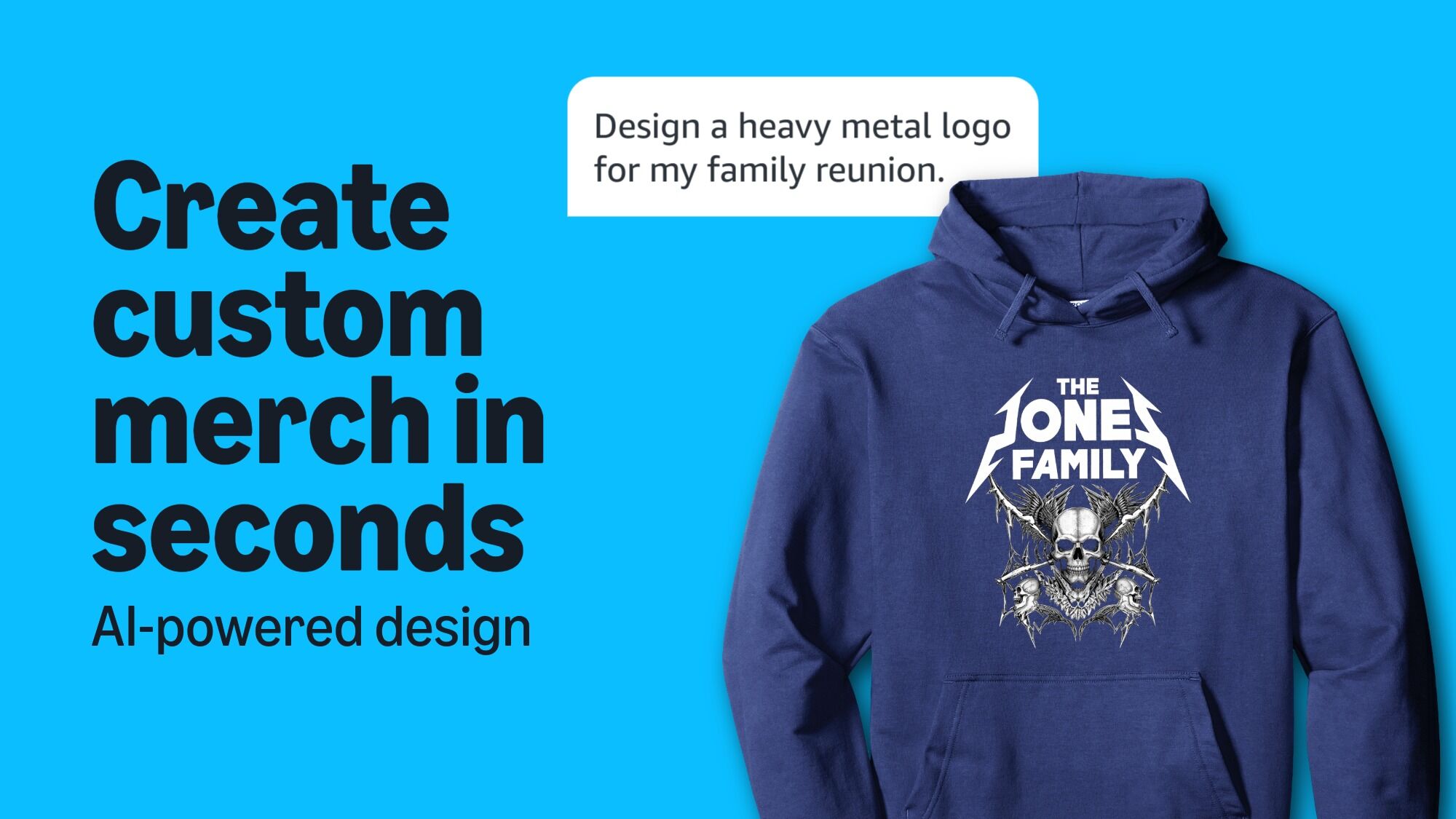
Amazon announced that customers can now use Alexa for Shopping to generate custom designs from text prompts and print them on merchandise such as T-shirts, sweatshirts, hoodies, tumblers, and water bottles. Amazon says the feature runs through Merch on Demand, with Amazon handling production and delivery.
Why visual creators should care
For illustrators, designers, print-on-demand sellers, and agencies, AI-generated merchandise is moving into a mainstream retail platform. That raises practical questions around copyright, trademarks, style imitation, prompt records, and whether AI-designed products compete with independent creators and marketplace sellers.
Practical takeaway
Creators working on merchandise or brand graphics should define whether AI-generated designs are allowed, who checks for third-party IP, whether prompts and outputs are retained, and whether final assets are safe for resale, print-on-demand, or client campaigns.
What to watch next
Watch how Amazon enforces copyright, trademark, and third-party-content checks inside AI-generated merchandise workflows, especially where prompts refer to brands, sports teams, characters, artists, or protected visual styles.
Sources
Getty adds prompt-based AI editing for creative-library images
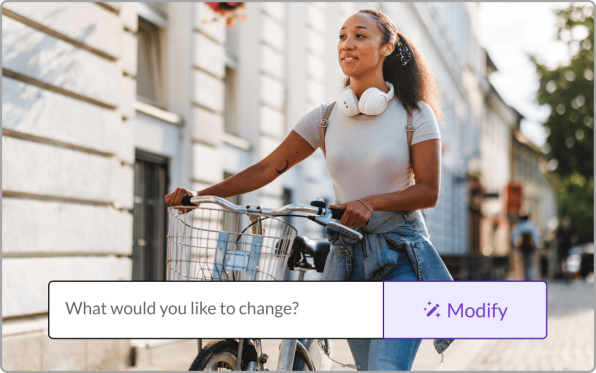
Getty Images’ June 2026 product update introduces prompt-based editing for images from its creative library. The feature lets customers use natural-language prompts to describe image changes without manual masking or click-based selection.
Why visual creators should care
For photographers, stock contributors, agencies, and image buyers, licensed stock images are increasingly becoming editable AI inputs rather than fixed delivered assets. A client may license a creative image and then use prompts to alter objects, background details, visual context, or campaign variants.
Practical takeaway
Creators and agencies should check whether stock-based AI modification is permitted, whether modified versions remain covered by indemnity, whether source images must be licensed first, and whether clients are allowed to create campaign variants from licensed stock.
What to watch next
Watch whether stock platforms add clearer records showing when licensed creative images are modified with AI, whether contributors are compensated for AI-assisted reuse, and how indemnity changes after prompt-based edits.
Sources
UK creative industries AI plan puts creator control and client-facing AI use on the policy agenda
The UK government published an AI Adoption Plan for the creative industries. The plan backs an augmentation-first approach and calls for work on digital replicas, AI labelling, creator-control mechanisms, input transparency, and licensing support for smaller creative organisations.
Why visual creators should care
For photographers, designers, visual artists, agencies, and other creative freelancers, this is a practical policy signal. The plan recognises that AI use in client-facing creative work depends on trust, rights, reputation, contract permission, and commercial safety.
Practical takeaway
Creators should start treating AI use as a client-approval and project-governance issue: what tools are allowed, whether AI can touch final work, whether likenesses or source images are involved, and whether AI use must be disclosed or documented.
What to watch next
Watch the UK’s follow-up work on digital replicas, AI labelling, creator-control mechanisms, input transparency, and support for smaller creative organisations licensing their work.
Sources
EUIPO report highlights rights metadata as AI licensing pressure grows
EUIPO published a mapping report on EU databases and metadata standards for copyright-protected works. The report links generative AI to the need for better copyright infrastructure, rights management information, licensing support, and technical solutions for infringement and rights-management challenges.
Why visual creators should care
For photographers, stock contributors, visual artists, agencies, and image libraries, AI licensing depends on more than legal theory. Reliable metadata, ownership records, identifiers, and machine-readable rights signals are likely to become central to opt-outs, licensing, dataset controls, and creator compensation.
Practical takeaway
Creators and agencies should improve rights metadata now: creator name, copyright owner, licensing terms, usage restrictions, source files, delivery records, AI-use restrictions, and whether images may be used for training, reference, or dataset inclusion.
What to watch next
Watch whether EUIPO, the European Commission, and industry groups move toward more practical metadata tools for AI licensing, opt-out signalling, creator identification, and rights-management infrastructure.
Sources
Getty Images’ U.S. case against Stability AI keeps stock-photo training claims in play
The U.S. Getty Images v. Stability AI docket remains active, with CourtListener listing a May 21, 2026 last-known filing. The case concerns copyright and related claims over alleged use of Getty imagery, captions, and metadata in connection with Stability AI systems.
Why visual creators should care
For photographers, stock contributors, agencies, and image licensors, the case remains a key watchpoint for how U.S. courts may treat stock-photo training, image metadata, generated outputs, and claims involving watermark-like or falsely attributed AI results.
Practical takeaway
Contributors and agencies should keep records of where image libraries are licensed, whether contracts allow AI training or sublicensing, how metadata is handled, and whether client contracts prohibit using delivered work in datasets or model-training systems.
What to watch next
Watch for motions, discovery orders, or rulings that address training-data access, metadata use, trademark or attribution claims, and whether image outputs can create liability separate from training.
Sources