New York synthetic-performer ad law creates a disclosure checkpoint for AI-generated people
AP reports that New York’s synthetic-performer law is now in effect. Advertisements distributed in New York that feature AI-generated people in place of actors must clearly disclose that they use a synthetic performer, with penalties for violations.
Why visual creators should care
For agencies, e-commerce brands, photographers, fashion teams, AI image creators, and campaign producers, synthetic human imagery is now a compliance issue as well as a production shortcut. AI-generated models, lifestyle scenes, and commercial ad visuals may need disclosure before publication.
Practical takeaway
Client and agency agreements should assign responsibility for checking whether a campaign uses synthetic performers, where disclosures must appear, who approves the wording, and whether AI-generated human figures are allowed in the project at all.
What to watch next
Watch whether other U.S. states adopt similar disclosure rules and whether advertisers start adding synthetic-person review steps to creative approval workflows.
Sources
MiniMax loses bid to end studio copyright lawsuit over AI image-and-video generator
Reuters reports that a U.S. federal judge rejected MiniMax’s attempt to dismiss a lawsuit brought by Disney, Universal, and Warner Bros. Discovery. The studios allege that MiniMax’s Hailuo image-and-video AI system was trained on protected material and generated characters from franchises such as Marvel and Star Wars without permission.
Why visual creators should care
For illustrators, designers, agencies, and AI image creators, this keeps copyright risk around protected characters, franchise-like outputs, and AI-generated branded worlds firmly in view. It also reinforces that client prompts asking for recognisable entertainment-style imagery can create legal exposure.
Practical takeaway
Creators should avoid generating protected characters, franchise-like visuals, or brand-adjacent campaign assets unless the relevant rights are licensed. Client contracts should state that the creator will not produce infringing AI-generated variants of third-party characters, logos, or visual worlds.
What to watch next
Watch for discovery, motions, and any ruling that clarifies whether image-and-video generation outputs can create liability separate from training-data claims.
Sources
Dutch court artist receives damages after political party AI-alters her courtroom sketch
The Guardian reports that Dutch court artist Petra Urban received damages after a far-right political party used one of her sketches without permission and altered it with AI to make the subjects look more menacing. The image was used in a social media video and later removed.
Why visual creators should care
For illustrators, editorial artists, photographers, and agencies, this shows how AI alteration can turn a rights issue into a reputational and moral-rights problem. The concern is not just copying the work, but changing its meaning and using it in a context the creator did not approve.
Practical takeaway
Creators should include terms restricting AI alteration, political reuse, misleading edits, reputationally harmful distortion, and unapproved derivative uses of commissioned or editorial work.
What to watch next
Watch whether more European disputes use moral-rights arguments to challenge AI-altered images, especially where the edit changes neutrality, meaning, or public trust.
Sources
Model’s AI-generated fashion-image dispute shows how one shoot can become many unapproved campaign variants
PetaPixel reports that New York model Francheska Pujols sued Rainbow Shops after the retailer allegedly used photos from a clothing shoot to generate new AI images of her in different scenes and poses. The report says the original contract allowed minor edits, not entirely new AI-generated images, and the parties later sought to resolve the dispute privately.
Why visual creators should care
For photographers, agencies, models, stylists, and fashion brands, this shows how AI can stretch one approved shoot into new campaign assets that were never part of the original agreement. The issue is not only copyright, but likeness, reputation, edit scope, model release language, and source-photo reuse.
Practical takeaway
Commercial shoot agreements should say whether AI-generated variants are allowed, whether model likeness can be reused after the booking period, whether new poses or scenes need approval, and whether source photos may be used as AI reference material.
What to watch next
Watch whether fashion and e-commerce contracts begin adding explicit AI-clone, likeness-reuse, campaign-variant, and source-photo restriction clauses.
Sources
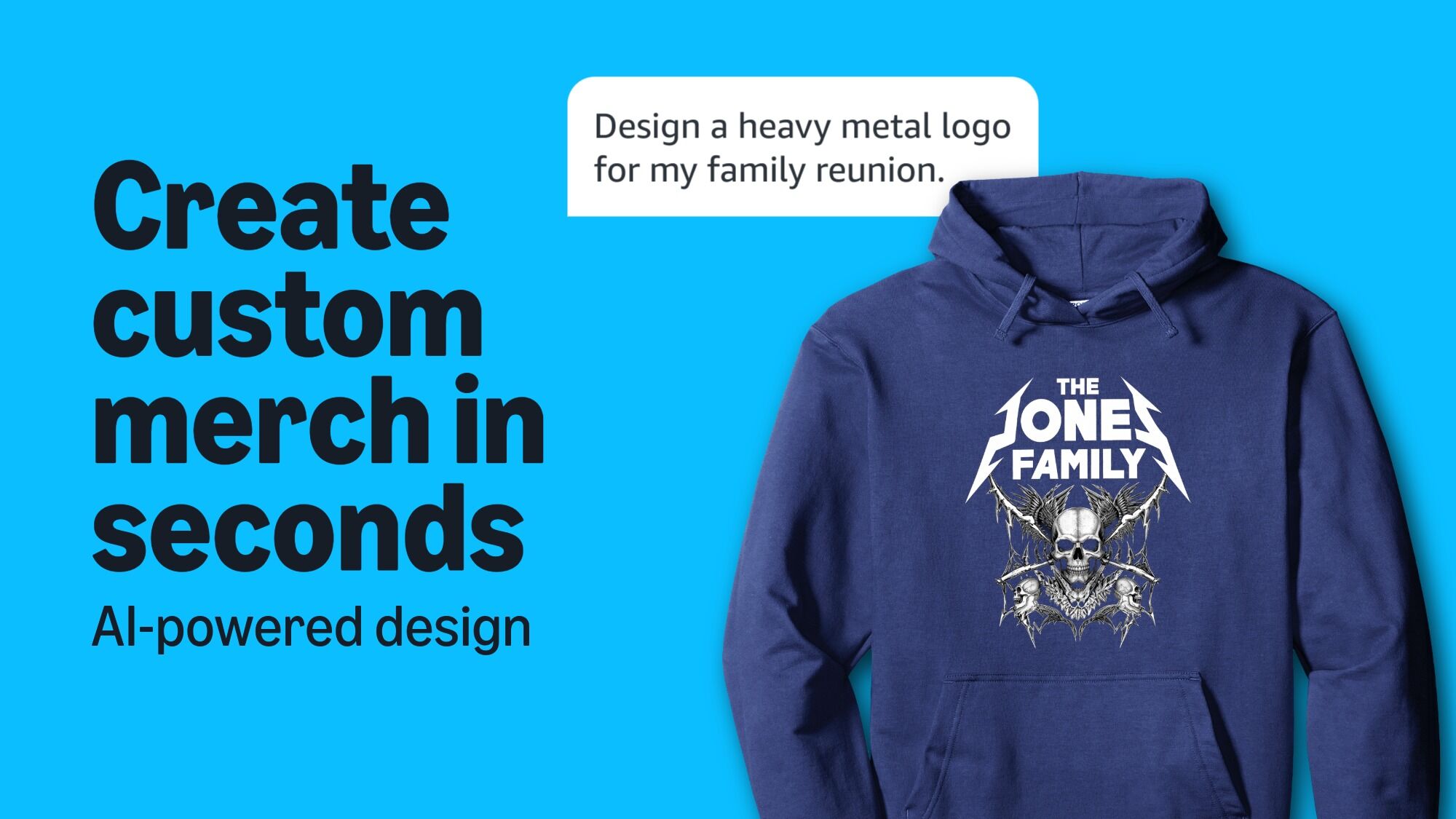
Amazon brings AI-generated designs into custom merch and print-on-demand workflows
Amazon announced that customers can use Alexa for Shopping to generate custom designs from text prompts and print them on merchandise such as T-shirts, hoodies, tumblers, and water bottles. Amazon says the feature runs through Merch on Demand, with Amazon handling production and delivery.
Why visual creators should care
For illustrators, designers, print-on-demand sellers, and small agencies, AI-generated merchandise is moving into a mainstream retail workflow. That raises practical questions around copyright, trademarks, style imitation, prompt records, and whether AI-designed products compete with independent creators and marketplace sellers.
Practical takeaway
Creators working on merchandise or brand graphics should define whether AI-generated designs are allowed, who checks for third-party IP, whether prompts and outputs are retained, and whether final assets are safe for resale, print-on-demand, or client campaigns.
What to watch next
Watch how Amazon enforces copyright, trademark, and third-party-content checks inside AI-generated merchandise workflows, especially where prompts refer to brands, sports teams, characters, artists, or protected visual styles.
Sources
Artists push back against AI ‘slop’ with handmade visual signals
The Guardian reports that artists and creative workers are embracing an “anti-slop” aesthetic in response to the flood of AI-generated material. The report connects the movement to broader creator concerns about training, infringement, and the loss of human-made visual culture.
Why visual creators should care
For photographers, illustrators, designers, and agencies, this is a market-positioning signal. As AI-generated images become more common, some clients and audiences may value visible human process, handmade irregularity, analogue methods, source records, and non-AI assurance.
Practical takeaway
Creators can turn human authorship and process into a selling point: behind-the-scenes records, drafts, contact sheets, sketches, source files, process notes, and contract language that distinguishes human-made, AI-assisted, and fully synthetic work.
What to watch next
Watch whether brands begin requesting non-AI visual work, human-made certifications, or process evidence as part of campaigns built around authenticity and trust.
Sources