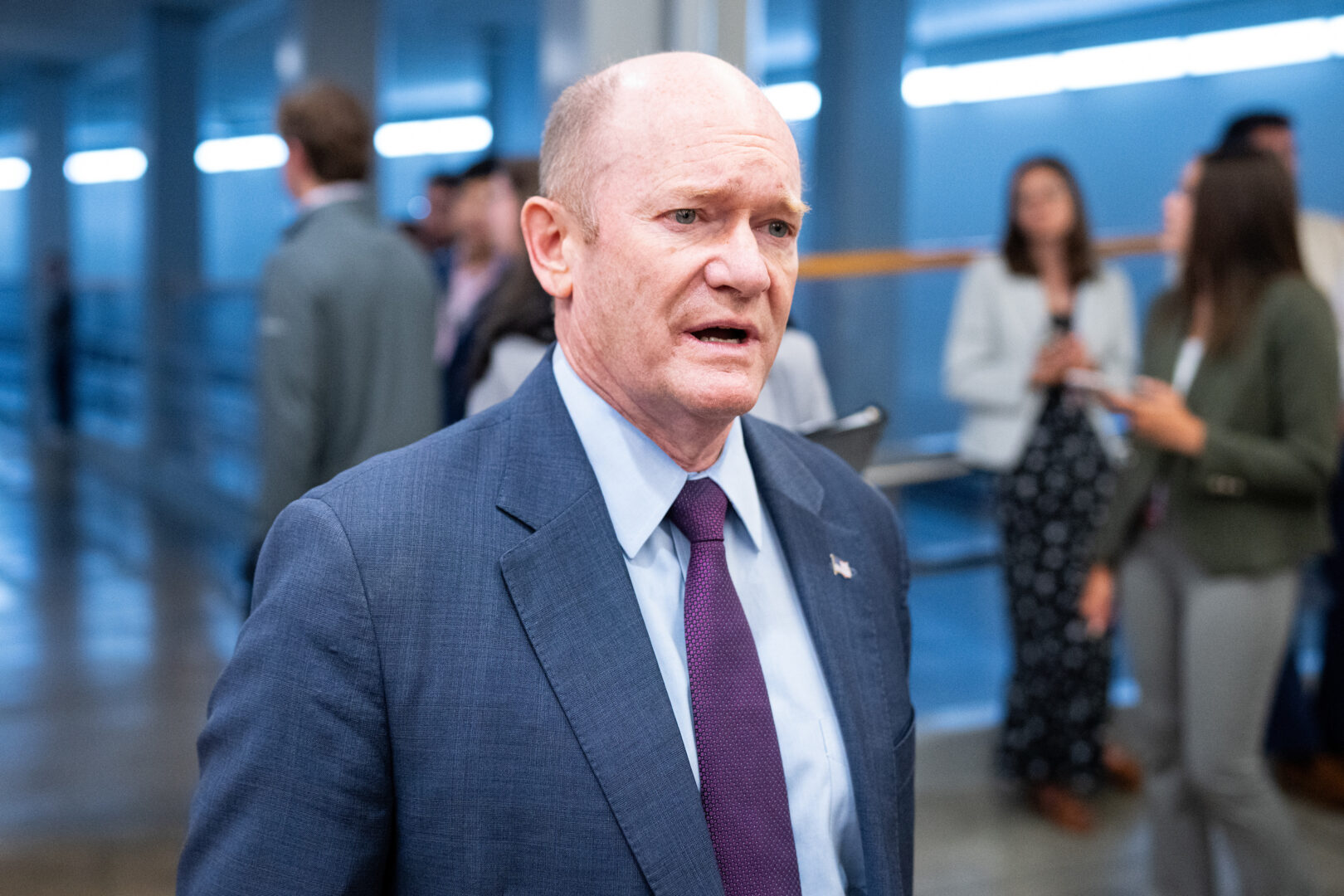
NO FAKES Act advances voice-and-visual-likeness protections for AI replicas
Roll Call reports that the U.S. Senate Judiciary Committee advanced the NO FAKES Act by voice vote. The bill would give individuals an intellectual property right in their voice and visual likeness and would require unauthorized AI-generated deepfake images to be removed from online platforms if they were not licensed by the person portrayed. The revised legislation includes exemptions for areas such as parody, news, and documentaries, while also creating takedown and counter-notification procedures.
Why visual creators should care
For photographers, filmmakers, performers, designers, agencies, influencers, and AI image creators, this is a major signal that voice, face, image, and likeness rights are moving toward federal AI-specific protection in the U.S. It could affect synthetic performers, digital doubles, AI-generated endorsements, campaign imagery, and client requests to recreate or imitate real people.
Practical takeaway
Projects involving recognizable people should use clear likeness, digital-replica, and synthetic-performance clauses. Contracts should define whether a person’s image, voice, stills, footage, scans, or performance data can be used to generate new AI content, and who handles takedowns if unauthorized replicas appear online.
What to watch next
Watch whether the bill reaches the Senate floor, how platforms respond to the takedown framework, and whether visual creators gain clearer remedies for unauthorized AI use of their image or likeness.
Sources
Brands use AI-generated influencers to mimic real customer content without clear labels
The Guardian reports that brands are using AI-generated influencers and synthetic customer-style videos to promote products on social media, often without obvious disclosure. The report says some AI influencer creators are asked to sign non-disclosure agreements, while content can be made to look like authentic user-generated product reviews, unboxings, or lifestyle recommendations. The UK Advertising Standards Authority told the Guardian that its rules do not currently require AI content labelling as such, although ads must still not be misleading.
Why visual creators should care
For photographers, models, influencers, designers, agencies, and social-video creators, AI influencer marketing directly competes with human-led shoots and real creator content. It also raises disclosure, consent, authenticity, and client-trust issues when synthetic people appear to be genuine customers or creators.
Practical takeaway
Agency and client agreements should require disclosure decisions before synthetic influencers, AI-generated testimonials, AI unboxing videos, or AI lifestyle content are used. Contracts should also define whether AI personas can replace real models or creators, and who is responsible if regulators or consumers view the content as misleading.
What to watch next
Watch whether the UK ASA, EU AI Act guidance, or major social platforms create clearer rules for AI-generated influencer content, synthetic customer testimonials, and fake user-generated video ads.
Sources
Guitarists’ videos are being AI-replaced and reused for scams
Guitar World reports that several guitarists and music creators have had their performance videos stolen, altered with AI, and reposted with their bodies or faces replaced by synthetic characters. Some fake videos are used to drive traffic to scams, impersonate artists, defraud fans, or create sexualized content without consent. The report highlights creator frustration with platform reporting systems and weak takedown responses.
Why visual creators should care
For video creators, photographers, performers, musicians, influencers, and agencies, this shows how source footage can be turned into synthetic content without permission. The issue combines copyright, likeness, platform accountability, monetisation, harassment, and reputational harm, especially where the original performance, location, lighting, camera angle, and movement remain recognisable.
Practical takeaway
Creators who publish performance videos should keep original files, upload records, dates, project files, and proof of authorship. Client and platform agreements should restrict AI face or body replacement, synthetic impersonation, monetised reposting, scam use, and non-consensual sexualized alteration of source footage.
What to watch next
Watch whether platforms add stronger tools for creators to report AI-replaced videos and whether future legislation treats source-video theft, AI impersonation, and monetised scam reuse as linked harms.
Sources
Graham Norton court order shows victims using courts to identify deepfake account operators
The Independent reports that Graham Norton obtained a U.S. court order requiring Meta to reveal the source behind AI-generated and factually inaccurate Facebook posts about him. The posts allegedly used fabricated statements and AI-generated images, including false stories about Norton, his husband, and his mother. Norton plans further legal action in England once those responsible are identified.
Why visual creators should care
For performers, photographers, public figures, agencies, and visual creators, the case shows a practical enforcement route when anonymous accounts use AI-generated images and false content to harm reputation. It is not just about removing fake posts; identifying who created and distributed the material can be the first step toward legal action.
Practical takeaway
Creators and clients should preserve evidence quickly when deepfake or AI-generated false content appears: screenshots, URLs, account names, timestamps, metadata, platform reports, and takedown responses. Contracts involving public-facing talent should also assign responsibility for monitoring and escalation if synthetic content harms reputation or campaign value.
What to watch next
Watch whether courts in the U.S., UK, and EU become more willing to order platforms to disclose information about anonymous AI-deepfake operators and whether platforms create faster identity-preserving takedown routes.
Sources