Influencer deepfake lawsuit tests whether brands can AI-alter creator content after approval
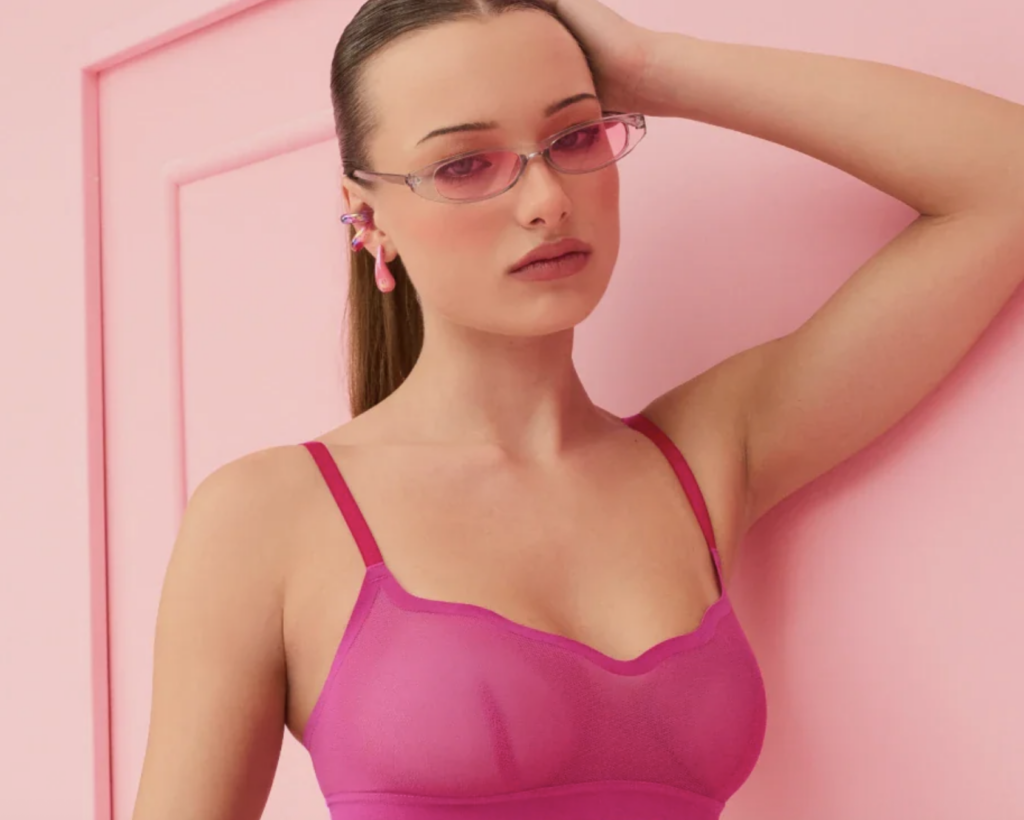
The Fashion Law reports that influencer Molly Tranchin, known as FashionVeggie, sued intimates brand EBY in federal court in California over an allegedly unauthorized AI-altered video used in an ad campaign. The complaint says Tranchin had partnered with the brand to create promotional content, but claims EBY published an altered video that appeared to show her body in a way she had not created or approved. The case raises claims involving California’s non-consensual deepfake statute, defamation, copyright infringement, breach of contract, publicity rights, emotional distress, and related theories.
Why visual creators should care
For photographers, influencers, models, social-video creators, agencies, and brands, this is a direct warning that AI alteration can turn approved creator content into something materially different. It also shows how whitelisting or brand-controlled posting access can make AI-altered ads appear as if they came directly from the creator, creating authenticity, consent, and reputation risks.
Practical takeaway
Influencer, model, and creator agreements should clearly separate ordinary editing from AI alteration, body modification, synthetic nudity, face or body replacement, deepfake creation, and brand-controlled posting. Contracts should require fresh written approval for any AI-modified version that changes appearance, body, pose, clothing, context, or perceived endorsement.
What to watch next
Watch whether courts treat AI-altered influencer content as a contract-scope issue, a publicity-rights issue, a copyright issue, or a deepfake-harm issue, and whether brands rewrite whitelisting and creator-content clauses in response.
Sources
Washington’s forged-digital-likeness law adds AI replicas to personality rights
Washington State’s Substitute Senate Bill 5886 took effect on June 11, 2026 and expands the state’s Personality Rights Act to include a person’s forged digital likeness. The law defines a forged digital likeness as a digitally created, adapted, altered, or modified visual representation or audio recording of an identifiable person that is indistinguishable from genuine content, misrepresents that person’s appearance, speech, or conduct, and is likely to deceive a reasonable person. It covers uses in commerce, advertising, merchandise, products, fundraising, and related publication without consent.
Why visual creators should care
For photographers, filmmakers, models, performers, influencers, agencies, and brands, this is another sign that U.S. state law is moving toward stronger control over AI-generated faces, voices, bodies, and performances. It matters for still images, moving images, voice-linked video, synthetic endorsements, merchandise, and advertising campaigns using realistic replicas.
Practical takeaway
Any project using a real person’s face, voice, body, performance, still photograph, video footage, or source archive should include explicit AI likeness language. Agreements should define whether forged or synthetic likenesses are allowed, what counts as consent, whether commercial uses are permitted, and who handles takedowns, damages, and evidence if a replica is misused.
What to watch next
Watch whether more U.S. states add forged-digital-likeness language to publicity or personality-rights statutes, and whether clients operating nationally begin using the strictest state rules as their default campaign standard.
Sources
Andersen source-code dispute shows visual-artist AI cases moving deeper into platform internals
A June 18 court filing in Andersen v. Stability AI extends the deadline for a joint letter brief regarding inspection of DeviantArt source code. The filing says the parties have been meeting over Plaintiffs’ requests for DeviantArt’s source code and narrowed the dispute to four specific issues. DeviantArt must provide final positions on those issues and the deadline for a joint letter brief has been extended to June 25, 2026.
Why visual creators should care
For visual artists, illustrators, AI image creators, agencies, and platforms, this is a procedural but useful signal: image-generator copyright cases are not only about public outputs and prompts. They can also move into discovery over source code, model behaviour, product design, training workflows, and how platform systems may reproduce or promote artist-like outputs.
Practical takeaway
Creators and agencies should keep clean records of prompts, source images, outputs, edits, platform settings, tool versions, and delivery dates. In disputes involving AI tools, the evidence may extend beyond the final image into how the tool worked, what was uploaded, what was generated, and what internal systems may have contributed.
What to watch next
Watch the June 25 deadline and any follow-up order on source-code inspection, because discovery rulings may shape what plaintiffs can access in future AI image and video cases.
Sources
xAI Grok lawsuit targets platform design behind fake sexualised images
Reuters reports that British lawmaker Jess Asato is suing Elon Musk’s xAI, alleging that Grok was used to create fake sexualised images of her. The claim, filed in the High Court in England, alleges breaches of data protection law and misuse of private information. Asato’s legal team frames the case as a test of liability for the design of an AI system, rather than only misuse by individual users.
Why visual creators should care
For photographers, models, performers, public figures, agencies, and visual creators, this shifts the deepfake problem from takedown after publication to whether a platform’s image-generation design can itself create legal exposure. It is especially relevant where a tool can generate sexualised, reputationally harmful, or non-consensual images of real people.
Practical takeaway
Creators and clients should treat AI tool selection as part of rights management. Agreements should prohibit non-consensual sexualised image generation, require safe tool use, and assign responsibility for takedowns, evidence capture, platform reports, and legal escalation if synthetic images misuse a real person’s likeness.
What to watch next
Watch whether UK courts allow claims focused on AI system design to proceed and whether developers face stronger duties to prevent tools from producing non-consensual sexualised images of identifiable people.
Sources
ASA/CAP guidance says AI ads and deepfakes still carry ordinary advertiser responsibility
The UK’s ASA/CAP published guidance on AI and deepfakes for advertisers, warning that the advertising code applies regardless of how an ad is made. The guidance says AI-generated celebrity endorsements that look real enough to mislead consumers are likely to breach the code. It also says advertisers remain responsible for AI outputs used in ads, including automated campaigns and problematic imagery.
Why visual creators should care
For designers, agencies, photographers, video producers, AI image creators, and social-ad teams, this is a practical reminder that AI does not move responsibility from the advertiser to the tool. If an AI-generated image, video, endorsement, model, or campaign variant is misleading, harmful, offensive, or poorly targeted, the brand and agency may still carry responsibility.
Practical takeaway
Every AI-assisted campaign should have a human compliance check before export or publication. Client agreements should define who reviews AI outputs, who approves celebrity or likeness use, when disclosure is required, and who is responsible if automated tools generate non-compliant visuals.
What to watch next
Watch whether ASA rulings begin applying this guidance to AI-generated influencer videos, synthetic endorsements, product visuals, and automated social ads.
Sources
Lee Ji Hye false AI ads show synthetic endorsements moving into everyday scams
The Times of India reports that South Korean singer, actress, and broadcaster Lee Ji Hye warned fans after online ads used her face without permission. The report says the ads appeared to morph her face onto other people to promote products she had never endorsed or filmed commercials for. Lee urged followers not to click the links, buy the products, or treat the ads as legitimate.
Why visual creators should care
For performers, influencers, models, photographers, agencies, and advertisers, this is a smaller but clear example of how AI likeness misuse is moving into ordinary commercial scams. A person’s face can be turned into a synthetic endorsement for products they never used, undermining trust in real ads, real campaigns, and real creator partnerships.
Practical takeaway
Creators and agencies should monitor for false AI ads using client or talent likenesses and keep evidence ready for takedowns. Contracts involving recognisable people should define permitted endorsements, AI alteration limits, platform-reporting duties, and who handles reputational or scam-related misuse.
What to watch next
Watch whether platforms add faster reporting channels for AI-generated false endorsements and whether more performers pursue civil or criminal claims over synthetic commercial ads using their faces.
Sources