Tyra Banks’ brand removes AI-generated promo models
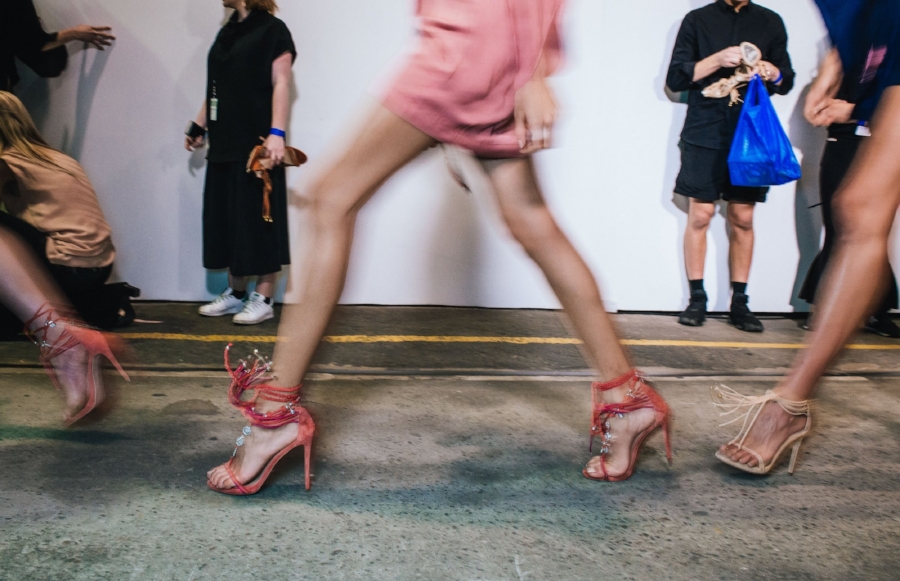
Entertainment Weekly reported that Tyra Banks’ SMiZE & DREAM ice cream brand removed at least four promotional images that incorporated AI-generated models after the outlet asked about them. The brand said AI is changing every industry, including fashion, but that it still values human talent and plans to work with real models for upcoming anniversary activity.
Why visual creators should care
This is a practical example of how synthetic campaign imagery can become a brand and labour issue even before it becomes a legal dispute. For photographers, model agencies, retouchers, art directors, and social-content teams, AI-generated people can raise questions about disclosure, replacement of real model work, audience trust, and whether clients understand the reputational risk of synthetic models.
Practical takeaway
If synthetic models are used in promotional work, treat that as a formal client approval point. Contracts and campaign records should say whether AI-generated people are allowed, whether they must be disclosed, who approved their use, and whether they replace or supplement a real shoot.
What to watch next
Watch whether brands begin adding synthetic-model disclosure and approval steps to social-media production workflows, especially where the visuals resemble fashion, beauty, lifestyle, or influencer content.
Sources
New York fashion law pushes digital-replica consent into model work
The Fashion Law reported that New York’s Fashion Workers Act has moved into a more consequential compliance phase now that the one-year registration period for model management companies has ended. The Act includes obligations around contracts, payment practices, workplace protections, and the creation or use of digital replicas, including AI-generated or AI-altered depictions of models.
Why visual creators should care
This matters for fashion photographers, ecommerce studios, model agencies, brands, and retouchers because a standard model release may not clearly cover AI-generated future poses, synthetic campaign extensions, digital doubles, or likeness-based image generation. It points toward separate AI replica consent becoming a normal part of fashion and model-related workflows.
Practical takeaway
Do not rely on generic alteration language to cover AI digital replicas. Use separate written consent for AI-generated likeness reuse, future poses, synthetic doubles, training, and campaign extensions, then keep those approvals with the project record.
What to watch next
Watch whether model agencies, ecommerce brands, and fashion clients update booking forms and release language to separate ordinary retouching from digital-replica creation.
Sources
Adobe Stock’s AI rules draw sharper lines around prompts, labels, and releases
Adobe Stock’s updated generative AI content guidelines require contributors to have the necessary rights to submit AI-generated images, vectors, or videos for commercial licensing. The rules also require generative-AI labeling and restrict the use of artist names, real people, fictional characters, copyrighted works, government agencies, third-party IP, and actual newsworthy-event claims in prompts, titles, or keywords.
Why visual creators should care
This matters for stock contributors, photographers, illustrators, designers, and AI image creators because stock-platform compliance is now its own rights layer. A tool may allow commercial use, but a stock platform may still reject or remove work if prompts, labels, releases, fictional-person declarations, or metadata are wrong.
Practical takeaway
Save the tool terms, prompt records, release documents, source files, and the platform policy version used at submission. For AI stock work, treat prompt wording and metadata as rights evidence, not just search optimization.
What to watch next
Watch whether Adobe and other stock platforms continue tightening rules around fictional people, recognizable property, famous styles, protected IP, and editorial-looking AI images.
Sources
CREATOR Act targets AI impersonation of visual artists’ styles
Representatives Yvette Clarke, Beth Van Duyne, and Valerie Foushee introduced the CREATOR Act, a bill aimed at protecting visual artists from unauthorized commercial exploitation of their distinctive artistic styles through AI-generated works. Adobe also published support for the bill, arguing that existing law has no clear answer for AI-scale style impersonation.
Why visual creators should care
This is directly relevant to illustrators, designers, concept artists, photographers, visual artists, and AI image creators. Existing copyright law usually protects specific works rather than style itself, but AI tools can imitate a creator’s recognizable visual identity without copying one specific image.
Practical takeaway
Artists should keep records showing the development and commercial use of their distinctive visual style, including portfolios, commissions, publication dates, licensing history, client briefs, process files, and examples of suspected AI impersonation.
What to watch next
Watch whether the bill gains traction and how it defines stylistic impersonation without blocking ordinary influence, parody, reference, or legitimate artistic development.
Sources
REI says a Meta AI ad tool altered a vendor image without proper review
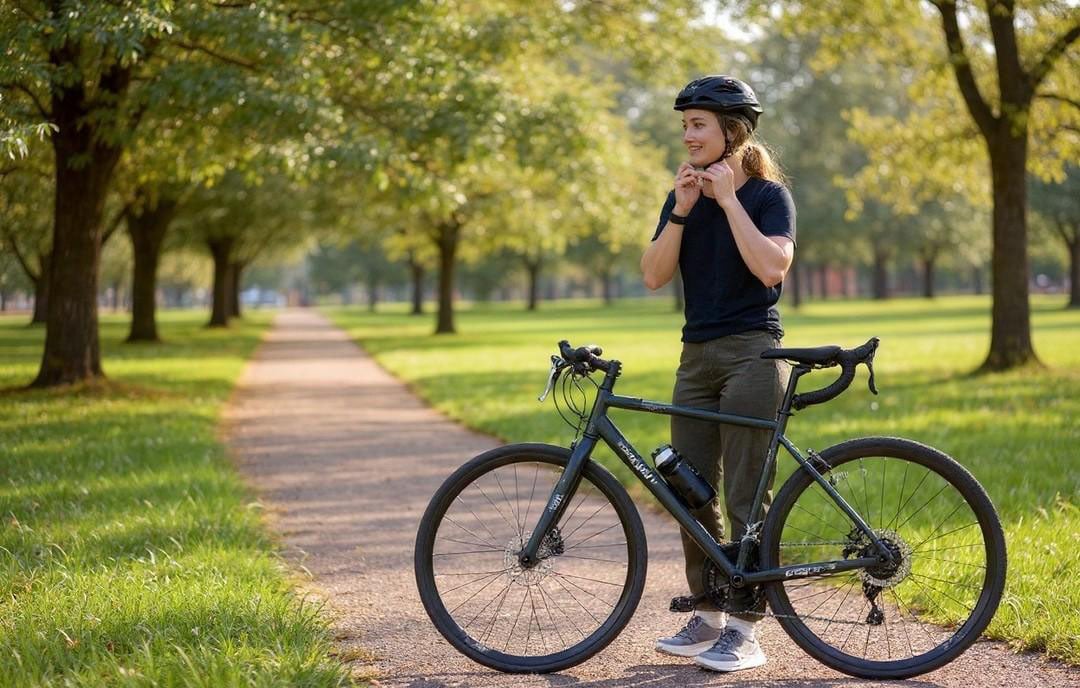
Business Insider reported that REI faced backlash after an Instagram ad showed a bicycle with two sets of handlebars. REI said Meta auto-enrolled the company in an AI personalization tool that produced an inaccurate alteration of a vendor-provided image, and the brand later unenrolled from the tool.
Why visual creators should care
This is a useful warning for agencies, product photographers, ecommerce teams, and brand managers. If an ad platform can automatically alter vendor-supplied or campaign-approved images, then source-file control, final approval, product accuracy, and client liability become practical rights and workflow issues.
Practical takeaway
Client agreements should address whether ad platforms, AI optimization tools, or automated creative-personalization settings may alter approved visuals after delivery. Brands should also confirm who reviews AI-modified outputs before publication and who is responsible if product images become inaccurate.
What to watch next
Watch whether more brands report unexpected AI edits from automated ad tools, and whether platforms make AI creative-personalization settings clearer before campaign launch.
Sources
Fashion-photo fair-use ruling shows why context still matters
PetaPixel reported that a California federal court granted summary judgment for fashion blogger Lauren Messiah in a copyright case involving a Melvin Sokolsky photograph. The court found the use transformative because the photograph appeared as part of a broader blog post with question-and-answer fashion guidance.
Why visual creators should care
This is not an AI story, but it is directly relevant to photography copyright, image licensing, and enforcement risk. Photographers and image licensors should note that courts may still treat context, purpose, commentary, and transformation as central to fair-use analysis, even where a photograph was copied without permission.
Practical takeaway
Do not assume every unlicensed online image use is automatically a straightforward infringement win. Before escalating a claim, review the context, purpose, surrounding commentary, commercial use, attribution facts, and whether the image was used as part of a broader transformative work.
What to watch next
Watch whether more photography cases turn on contextual transformation, especially where images are used in blogs, fashion commentary, museum displays, educational material, or editorial explainers.
Sources