Disney prepares AI-generated TV ad tool for July launch
Business Insider reported that Disney is preparing to launch a beta version of an AI-generated TV advertising tool in July. The tool is designed to generate scripts, video, and music inside a single workflow and is aimed especially at smaller advertisers that do not already have video assets.
Why visual creators should care
For agencies, commercial directors, video creators, photographers, editors, and brand teams, this shows AI ad production moving into mainstream media-buying systems. If a platform can generate or adapt campaign visuals, client approval, asset ownership, product accuracy, disclosure, and quality control become part of the same workflow.
Practical takeaway
Client agreements should say whether AI-generated TV or social ads are allowed, whether existing creative assets can be used as inputs, who reviews generated versions, and who is responsible if the final ad misrepresents the product, brand, or approved visual direction.
What to watch next
Watch whether Disney publishes clearer rules for advertiser-supplied assets, human review, output ownership, disclosure, and whether agencies can restrict platform-side AI generation from approved campaign materials.
Sources
Amazon buys ChatGPT ads but keeps product data under its own control
Business Insider reported that Amazon has begun buying ads inside ChatGPT while continuing to limit how third-party AI systems can access or aggregate its product, pricing, and inventory data. The ads send users back to Amazon’s own storefront, where Amazon controls the shopping experience.
Why visual creators should care
This matters for ecommerce brands, product photographers, agencies, designers, and marketplace sellers because AI search is becoming a commercial discovery layer. The story is not only about ads; it is about who controls product data, product imagery, listings, pricing, and the customer path when AI tools mediate discovery.
Practical takeaway
Brands and agencies should decide what product data, images, feeds, and campaign assets may be shared with AI search or ad systems. Contracts should distinguish ordinary ad placement from allowing AI platforms to scrape, transform, summarise, or re-present product materials.
What to watch next
Watch whether AI-search ads become a normal channel for ecommerce campaigns and whether brands begin setting stricter rules around product-feed access, image reuse, and AI-agent shopping experiences.
Sources
Getty/Shutterstock merger remedy keeps stock-library power on watch
The UK Competition and Markets Authority has been moving through final undertakings in its Getty Images / Shutterstock merger inquiry. The CMA gave notice of a proposal to accept final undertakings and invited comments on the proposed draft undertakings by June 24, after publishing its final report in May.
Why visual creators should care
For stock contributors, photographers, videographers, publishers, and agencies, consolidation in major image libraries affects more than corporate structure. It can shape contributor bargaining power, editorial stock availability, licensing terms, AI licensing strategy, and how large platforms package visual archives for AI-era products.
Practical takeaway
Stock contributors should keep records of which platform terms apply to their work, including AI licensing, contributor compensation, editorial restrictions, and any changes after ownership or business-structure shifts.
What to watch next
Watch whether final undertakings change how editorial libraries, contributor agreements, AI licensing, and archive access are handled after the merger process closes.
Sources
AI-generated women in beauty magazine raise editorial trust questions
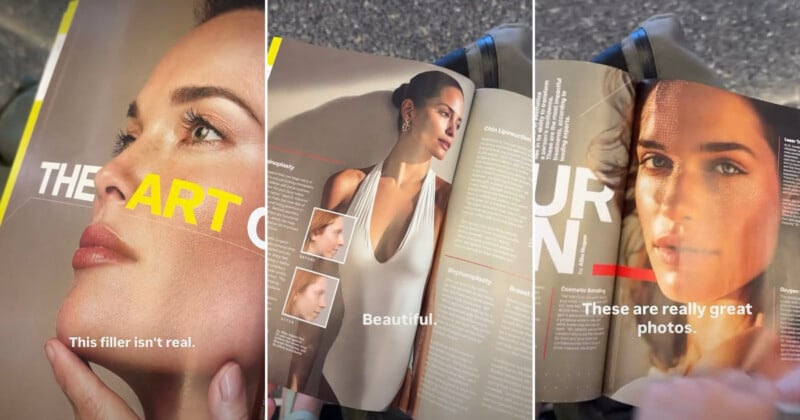
PetaPixel reported on photographer and DP Cassandra Klepac’s reaction after she found AI-generated women used in a beauty magazine feature about cosmetic procedures. The issue was not only that synthetic faces were used, but that they illustrated material about real women’s bodies and health-related beauty decisions.
Why visual creators should care
For photographers, beauty brands, publishers, agencies, and editorial designers, this shows how synthetic imagery can affect trust in sensitive editorial contexts. AI-generated people may be acceptable in some creative uses, but using fake faces to illustrate real body, health, or identity issues can change how readers understand the story.
Practical takeaway
Editorial and branded-content teams should decide when AI-generated people are inappropriate, even if disclosure is present. Commissioning briefs should state whether real subjects, stock models, AI-generated people, or AI-assisted composites are allowed for sensitive topics.
What to watch next
Watch whether publishers, beauty brands, and agencies begin adopting internal rules that restrict synthetic people in health, body-image, documentary, testimonial, and personal-experience stories.
Sources
Hasselblad disqualification shows photography contests need stronger AI verification
PetaPixel reported that Hasselblad disqualified a photographer from Hasselblad Masters 2026 after a finalist image was accused of using generative AI. Hasselblad said it took the accusations seriously and, after review, removed the offending photographer and replaced the entry with a new finalist.
Why visual creators should care
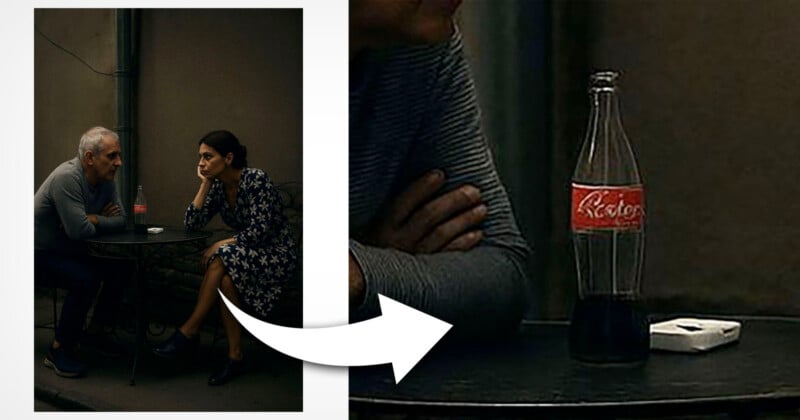
For photographers, competitions, juries, brands, and portfolio reviewers, this is a practical authenticity problem. As AI-generated images become harder to spot, contests and clients may need stronger checks around RAW files, source files, edit histories, provenance, and what counts as photography.
Practical takeaway
Creators entering contests or delivering documentary-style work should preserve RAW files, edit histories, exports, timestamps, and any AI-use notes. Contest rules and client briefs should clearly define whether generative AI is prohibited, allowed only for limited edits, or must be disclosed.
What to watch next
Watch whether major photo competitions require stronger provenance workflows, RAW-file checks, Content Credentials, or AI-use declarations before images reach public voting or final judging.
Sources
Magnific’s AI copyright terms separate generated output from stock content
Magnific’s help documentation explains that AI-generated images and videos made with its tools can be used for personal and professional purposes, but copyright status remains unsettled and varies by country. The guidance also separates AI-generated output from stock images downloaded from Magnific’s library, which are governed by different rules.
Why visual creators should care
For designers, AI image creators, agencies, and stock users, this is a useful platform-policy reminder. A platform may allow commercial use of generated outputs, but that does not automatically guarantee copyright ownership, remove third-party-rights risk, or make stock-library content subject to the same rules.
Practical takeaway
Before using AI-generated visuals commercially, save the tool terms, plan level, prompt records, source uploads, output files, and any stock licences used in the same project. Treat AI output rights and stock-content rights as separate layers.
What to watch next
Watch whether image-generation platforms become more explicit about indemnity, output ownership, third-party-rights responsibility, stock-source restrictions, and whether AI-generated content can be used as a main commercial asset.
Sources