Celebrities turn to trademarks to protect likenesses from AI misuse
Business Insider reported that a growing number of celebrities are filing trademark applications to protect elements of their likeness, voice, phrases, and public persona as AI-generated deepfakes and false endorsements spread. The report highlights figures including Matthew McConaughey, Taylor Swift, Jimmy Kimmel, Lionel Richie, Jeremy Clarkson, and the Backstreet Boys.
Why visual creators should care
For photographers, portrait clients, influencers, models, agencies, and visual creators, this shows likeness protection moving beyond traditional model releases and publicity rights. Public figures are using trademarks as one tool to control how their image, voice, and recognisable identity are commercially reused in the AI era.
Practical takeaway
For work involving recognisable people, separate ordinary image use from AI likeness reuse, synthetic endorsements, digital replicas, and future generated content. Client agreements should say whether a person’s image, voice, name, pose, or identifiable visual identity may be used in AI-generated material.
What to watch next
Watch whether more creators, influencers, and non-celebrity public figures begin using trademarks, publicity claims, or contract restrictions to control AI-generated likeness misuse.
Sources
AI-enhanced photo lawsuit tests how much human control is enough for copyright
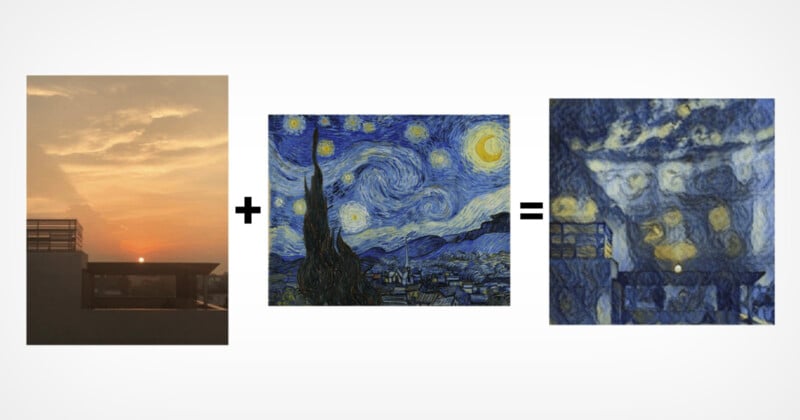
PetaPixel reported that Ankit Sahni, through Suryast U.S. Enterprises LLC, has sued after the U.S. Copyright Office refused to register an AI-enhanced work based on a photograph he took. The image combined Sahni’s sunset photograph with stylistic elements processed through the RAGHAV AI app, and the Copyright Office found that too much of the final output came from the AI system rather than human authorship.
Why visual creators should care
This matters for photographers, designers, illustrators, and AI-assisted visual artists because it sits directly on the line between AI as a tool and AI as the source of expressive authorship. If a creator starts with their own photograph but uses AI heavily to transform it, the registration record may need to show what the human actually controlled.
Practical takeaway
For AI-assisted visual work, keep the original photograph, prompts, settings, intermediate versions, manual edits, selection decisions, layer files, and notes explaining the human creative choices. Do not rely on the final image alone to prove human authorship.
What to watch next
Watch whether the lawsuit clarifies how U.S. courts treat AI-enhanced photographs, source-image ownership, style-transfer tools, and the amount of human control needed for copyright registration.
Sources
AI Ansel Adams dispute raises photographer legacy and permission questions
PetaPixel reported that Danziger Gallery displayed and offered for sale an AI-generated colour version of Ansel Adams’ Moonrise, Hernandez without permission from the Ansel Adams Trust. The Trust said it had not authorised or endorsed the work and criticised the commercial use of Adams’ name and photograph.
Why visual creators should care
For photographers, fine-art estates, galleries, collectors, publishers, and agencies, this is a practical example of AI reinterpretation colliding with legacy rights and commercial trust. Even where an AI-generated output may not itself receive copyright protection, using a famous photographer’s image, name, reputation, and market value can still create legal and ethical risk.
Practical takeaway
Do not assume that an AI-generated reinterpretation of an existing photograph is safe to sell just because the new output is synthetic. Check copyright, trademark, estate permissions, attribution, moral-rights expectations, publicity concerns, and whether the original photographer’s name is being used to create commercial value.
What to watch next
Watch whether galleries, estates, and photography fairs begin publishing clearer rules around AI reinterpretations of historical photographs and commercial uses of photographer names.
Sources
Amazon search now generates product images before matching real items
The Verge reported that Amazon’s updated search bar can show AI-generated images of clothing and home goods based on what a shopper describes, then help users search for similar real products. The feature can create made-up product visuals as a bridge between a vague description and actual marketplace items.
Why visual creators should care
For product photographers, ecommerce teams, marketplace sellers, agencies, and designers, this shows AI-generated product imagery becoming part of discovery rather than only advertising. A shopper may first respond to a generated visual that does not correspond to a real product, then be routed toward lookalike items.
Practical takeaway
Product-image strategy now needs to account for AI discovery layers. Brands should track how their products, images, styles, and trade dress may be matched against AI-generated shopping visuals, and should avoid assuming that marketplace discovery starts only from real product photographs.
What to watch next
Watch whether Amazon, Google, Pinterest, and other visual-commerce platforms add clearer labels, metadata, or controls around AI-generated product discovery images and lookalike matching.
Sources
AI-label research shows disclosure can change how viewers judge images
TechXplore reported on research from CISPA and partner institutions studying how users react to AI labels on generated images. The study looked at how labels influence credibility and trust as platforms and regulators move toward more formal AI-generated-content marking requirements.
Why visual creators should care
For photographers, agencies, publishers, social-content teams, and AI image creators, this matters because labels do not only disclose production method; they also change how people read the image. An AI label can affect trust, perceived authenticity, and whether viewers believe a visual claim.
Practical takeaway
Do not treat AI labels as an afterthought. For campaigns, editorial visuals, product images, and social posts, decide early whether AI disclosure is required, where the label will appear, whether metadata will be preserved, and how the label may affect audience trust.
What to watch next
Watch whether platform label design becomes more standardised as EU AI Act transparency obligations approach, and whether brands begin testing how AI labels affect engagement and trust.
Sources
Face-swap app audit shows likeness risk goes beyond obvious deepfake tools
A 2026 research paper audited dual-use AI face-swap apps and found that many lacked safeguards against harmful non-consensual image creation. The study tested apps that are not necessarily marketed as explicit deepfake tools but can still be misused to create damaging synthetic images from ordinary photos.
Why visual creators should care
For portrait photographers, models, influencers, schools, agencies, and anyone handling identifiable images, this shows that likeness risk is not limited to obvious “deepfake” platforms. Ordinary-looking image-editing or face-swap apps can become tools for abuse if safeguards, consent rules, and reporting paths are weak.
Practical takeaway
For sensitive portrait, model, school, family, or influencer work, treat uploaded face images as high-risk source material. Keep originals, publication records, permissions, takedown evidence, and clear contract language restricting AI face swaps, synthetic likeness creation, and non-consensual reuse.
What to watch next
Watch whether app stores, regulators, and platforms require stronger safety filters, consent checks, and takedown workflows for face-swap and AI image-editing tools.
Sources