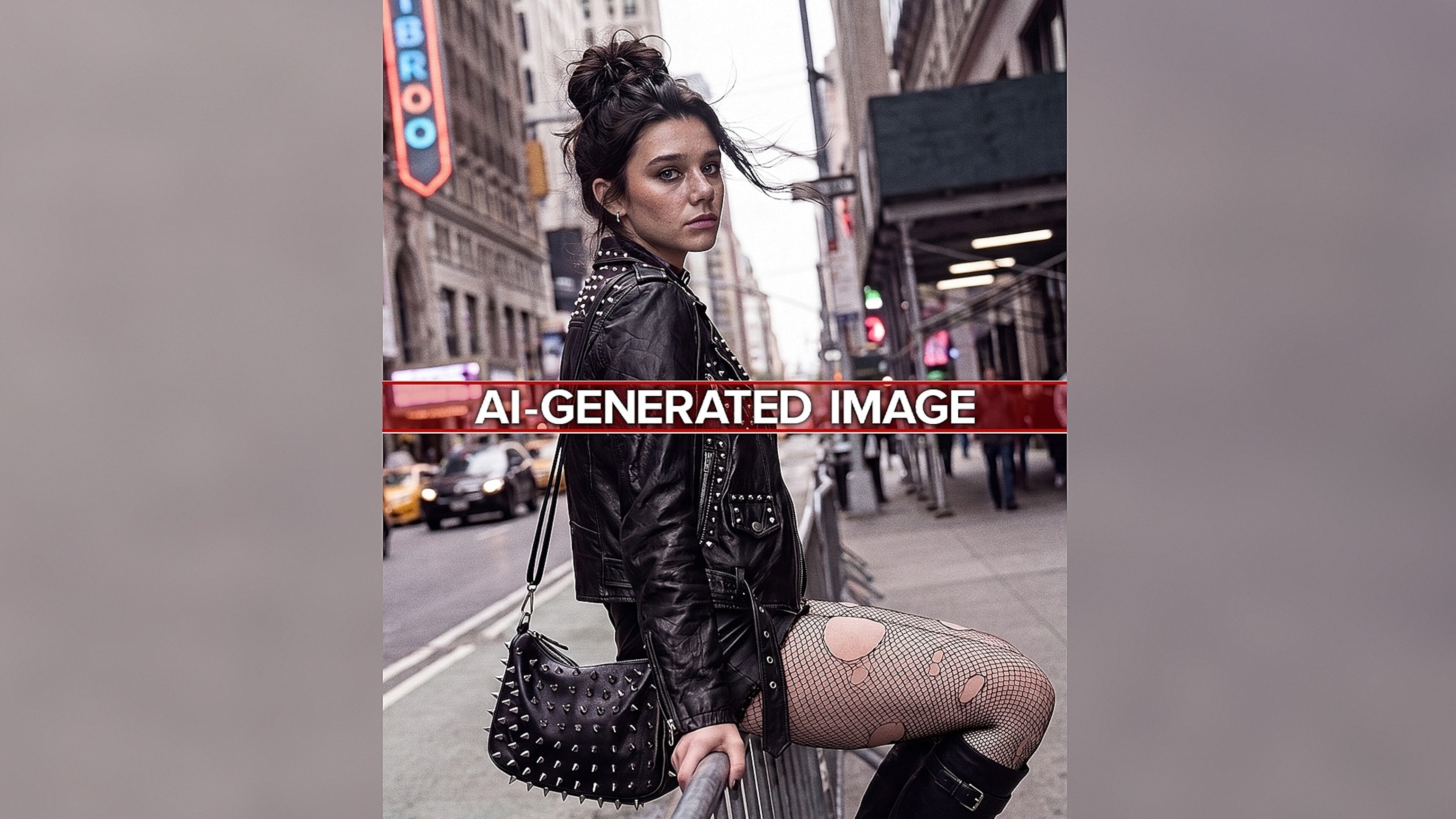
AI actor Tilly Norwood is moving from controversy into a feature film
The AI-generated performer Tilly Norwood is set to lead Misaligned, a feature film from Particle6, the studio behind the digital character. The project moves synthetic performance from publicity stunt and industry argument into a more concrete production setting.
Why visual creators should care
For filmmakers, actors, production companies, photographers, and agencies, this is not just a casting curiosity. It raises practical questions about who owns a synthetic performer, what source material shaped the character, whether any real performers’ likenesses informed the look or movement, and how production credits, releases, insurance, and client approvals should handle AI-generated screen talent.
Practical takeaway
If a project uses a synthetic performer, treat it like a rights-managed asset. Record who created it, what tools and datasets or references were used, what permissions exist, who controls the character, whether any human likeness was referenced, and whether the client may reuse or modify the synthetic performer later.
What to watch next
Watch whether distributors, unions, insurers, and completion-bond providers start requiring clearer disclosure and documentation around synthetic characters in film, ads, games, and branded content.
Sources
Midjourney wants the studios suing it to reveal how they use AI
In the Hollywood copyright litigation over AI-generated studio characters, Midjourney is seeking discovery into how Disney, Universal, and Warner Bros. use AI internally. The company argues that the studios’ own AI practices may be relevant to the case.
Why visual creators should care
This shifts part of the AI copyright fight from public output to internal workflow. For visual creators and agencies, the message is practical: your AI use records may become important if a dispute later arises. A client, studio, platform, or court may want to know not only what final images were delivered, but also what tools, references, prompts, training claims, and approval steps sat behind them.
Practical takeaway
Keep a project-level AI log for serious commercial work. Include the AI tools used, dates, source/reference images, whether client assets were uploaded, who approved the use, and whether the AI work was concept-only, production-assist, or final delivery.
What to watch next
Watch whether the court allows deeper discovery into the studios’ internal AI workflows. If it does, AI usage records may become a more visible part of copyright and licensing disputes.
Sources
Envato’s AI terms make a sharp distinction between using output and owning it
Envato’s updated AI Product Terms cover generative AI tools including image, image editing, video, graphics, music, voice, and sound tools. The terms say users receive a license to use AI-generated output, but Envato does not assign ownership rights in the AI-generated portions of that output.
Why visual creators should care
Many designers and agencies use Envato-style asset platforms inside client work. The important detail is the difference between commercial permission and ownership. A client may receive a final end product, but that does not necessarily mean the creator owns the AI-generated output itself or can promise exclusive rights over it.
Practical takeaway
Before delivering AI-assisted assets from any platform, check whether the tool gives ownership, a license, or a limited sublicense. In client paperwork, avoid saying the client “owns all AI-generated assets” unless the platform terms actually support that promise.
What to watch next
Watch whether other stock, template, and design platforms move toward similar language separating commercial use, ownership, sublicensing, uniqueness, and client transfer.
Sources
The EU’s AI-generated content code points toward stricter labelling workflows
The European Commission’s Code of Practice on Transparency of AI-Generated Content supports compliance with the EU AI Act’s Article 50 transparency obligations. Those obligations apply from 2 August 2026 and cover marking AI-generated or manipulated content and labelling deepfakes and certain AI-generated publications.
Why visual creators should care
For creators and agencies serving EU audiences, AI labels are becoming a production issue. Generated images, manipulated images, synthetic people, AI video, and deepfake-style content may need clearer marking or disclosure depending on how they are used. The key point is that labelling cannot be an afterthought added at upload time by a junior social-media manager.
Practical takeaway
Add an AI disclosure checkpoint to your delivery workflow. For EU-facing campaigns, record whether the content includes AI-generated or manipulated people, places, objects, or events; whether it could be mistaken as real; and what label, metadata, or client-facing note was applied.
What to watch next
Watch for Commission guidelines on Article 50 and for major platforms to align their upload, metadata, and labelling systems with the EU framework.
Sources
New York now requires disclosure when ads use AI-generated synthetic performers
New York’s synthetic performer disclosure law is now in effect. It requires people who produce or create advertisements to identify when ads include AI-generated synthetic performers, meaning digitally created media that appears to be a real person.
Why visual creators should care
This matters for commercial photographers, ad agencies, production companies, fashion brands, and social teams using AI-generated people instead of models or actors. The issue is not only whether the synthetic person looks good. It is whether the campaign needs a clear disclosure and whether the client understands the compliance burden.
Practical takeaway
For ads using AI-generated people, add a simple approval step: Is this a synthetic performer? Where will the ad run? Does the jurisdiction require disclosure? Who is responsible for the label? Keep that decision in the project record.
What to watch next
Watch whether more states or countries copy this approach and whether ad platforms build synthetic-performer disclosure into creative upload tools.
Sources
Researchers test a way to protect still images from AI image-to-video misuse
A new research paper, Anti-Prompt, proposes adding imperceptible perturbations to still images so that text-guided image-to-video systems produce visible inconsistencies and structural failures. The researchers frame the problem around copyright and privacy risks created when a single image can be animated into convincing video.
Why visual creators should care
For photographers, model agencies, artists, and production teams, image-to-video tools change the risk profile of a still image. A portrait, campaign still, product shot, or behind-the-scenes image may become source material for motion, speech-like gestures, implied endorsements, or misleading scenes without a new shoot or new permission.
Practical takeaway
Do not rely on technical protection alone. For now, tighten contracts and delivery terms: prohibit image-to-video transformation, deepfake use, synthetic motion, training, remixing, and derivative AI generation unless separately approved in writing.
What to watch next
Watch whether protection tools like Anti-Prompt become usable in creator workflows, and whether platforms begin offering built-in safeguards for public portfolio images and licensed stills.
Sources