Amazon is making synthetic-person disclosure part of commercial image delivery
Amazon now requires qualifying product images containing photorealistic people generated entirely by AI to carry disclosure information. In seller workflows, the keyword contains-synthetic-performer must be placed in the dc:subject field of XMP metadata before upload. Amazon Ads separately requires advertisers to identify externally created assets containing synthetic performers when those ads may be served where disclosure is legally required.
Why visual creators should care
Synthetic-person disclosure is becoming a production responsibility rather than something added by a publisher after delivery. Commercial photographers, retouchers, designers and agencies may now need to tell the marketplace how the person depicted in a final asset was created.
Practical takeaway
Add a synthetic-person status to every commercial asset record. Record whether each photorealistic person is real, AI-altered, an authorised replica or entirely generated. Verify required XMP metadata before delivery and keep the tagged master separately from resized or recompressed derivatives.
What to watch next
Watch whether Amazon extends comparable metadata requirements across more product, advertising and enhanced-content formats and whether other marketplaces adopt the same metadata vocabulary.
Sources
Google has signed Europe’s transparency code for AI-generated content
Google announced on July 24 that it is signing the EU AI Act Code of Practice on Transparency of AI-Generated Content. The company links the commitment to its existing work with C2PA and SynthID and says it is collaborating with companies including Apple, NVIDIA and OpenAI on interoperable watermarking. The code is voluntary, but the underlying Article 50 transparency obligations begin applying on August 2.
Why visual creators should care
Google operates across image generation, video, Search, advertising and publishing. Its participation increases the likelihood that machine-readable provenance and synthetic-content disclosures will become ordinary parts of visual distribution rather than isolated features inside individual generators.
Practical takeaway
Do not build a compliance workflow around one platform label. Preserve source records and Content Credentials where available, record whether a provider applies an automatic watermark or marker, and separately determine whether the final publication requires a visible disclosure.
What to watch next
Watch which Google image and video products implement the code first, how SynthID and C2PA interact and whether provenance survives advertising, Search, YouTube and third-party publication.
Sources
ITV’s AI reconstruction keeps human performers inside the production
ITV News and ITN have used AI-generated reconstruction in an episode of Exposure about the 2006 liquid-bomb plot. The production worked with likeness-licensing company Twinnin to recruit performers who consented to participate. Their facial features, body shape and physique were transformed using AI prompts into stylised characters, and the performers will receive end-title credits. AI was also used to reconstruct locations considered unsafe to film.
Why visual creators should care
The production offers a more defensible alternative to simply replacing human performers with anonymous synthetic characters. Consent, compensation and credit remain part of the production even though the final appearance is heavily transformed.
Practical takeaway
Separate permission to record a performer from permission to transform their face, body, voice or movement. Define what the synthetic character may depict, where it may appear, how long it may be reused and whether the underlying likeness can enter future productions.
What to watch next
Watch how reconstructed sequences are disclosed to viewers and whether other documentary, advertising and entertainment productions adopt consent-based synthetic reconstruction.
Sources
Synthetic-video detection is moving into newsroom infrastructure
NVIDIA has introduced a Synthetic Video Detector NIM microservice designed for editorial and media workflows. It analyses video frame by frame and produces a synthetic-content probability score that can be used to prioritise footage for review. NVIDIA reports internal accuracy of up to 92 percent on uncompressed video, falling under heavier compression, and Wowza is integrating the detector into livestreaming infrastructure.
Why visual creators should care
Synthetic-media detection is moving from specialist forensic software towards an automated checkpoint inside ingest and streaming systems. That may help editors identify suspicious footage earlier, but it also creates a risk that probability scores become unofficial gatekeepers for authentic professional work.
Practical takeaway
Treat detection as triage rather than proof. Preserve the submitted file, detector score, threshold used, provenance information and human-review notes. Never reject authentic footage solely because one classifier returns a high synthetic probability.
What to watch next
Watch independent performance testing, false positives on heavily processed camera footage and whether publishers create formal review or appeal procedures for material flagged by automated detectors.
Sources
A draft US model law would broaden the fight over manipulated likenesses
The American Legislative Exchange Council published a draft Right of Publicity and Malicious Deepfake Act on July 24. The proposal addresses unauthorised commercial uses of a person’s persona and modified facsimiles and creates remedies concerning specified malicious deepfake recordings. It covers visual and audio identity including photographs, images, likeness and voice. The document remains draft model policy and is not law.
Why visual creators should care
The proposal reflects a shift away from treating synthetic identity only as a celebrity or endorsement problem. If similar language appears in state legislation, photographers, agencies and AI-media producers may need more explicit permission before generating modified versions of identifiable people.
Practical takeaway
Write model and talent releases around specific permissions rather than a generic right to alter an image. State whether digital replicas, face replacement, synthetic voice, commercial derivatives and sublicensing are permitted.
What to watch next
Watch whether the draft becomes official ALEC model policy and whether state legislators introduce bills using similar definitions of persona, modified facsimiles, consent and malicious deepfakes.
Sources
AI agents are gaining access to the files where professional visual work is made
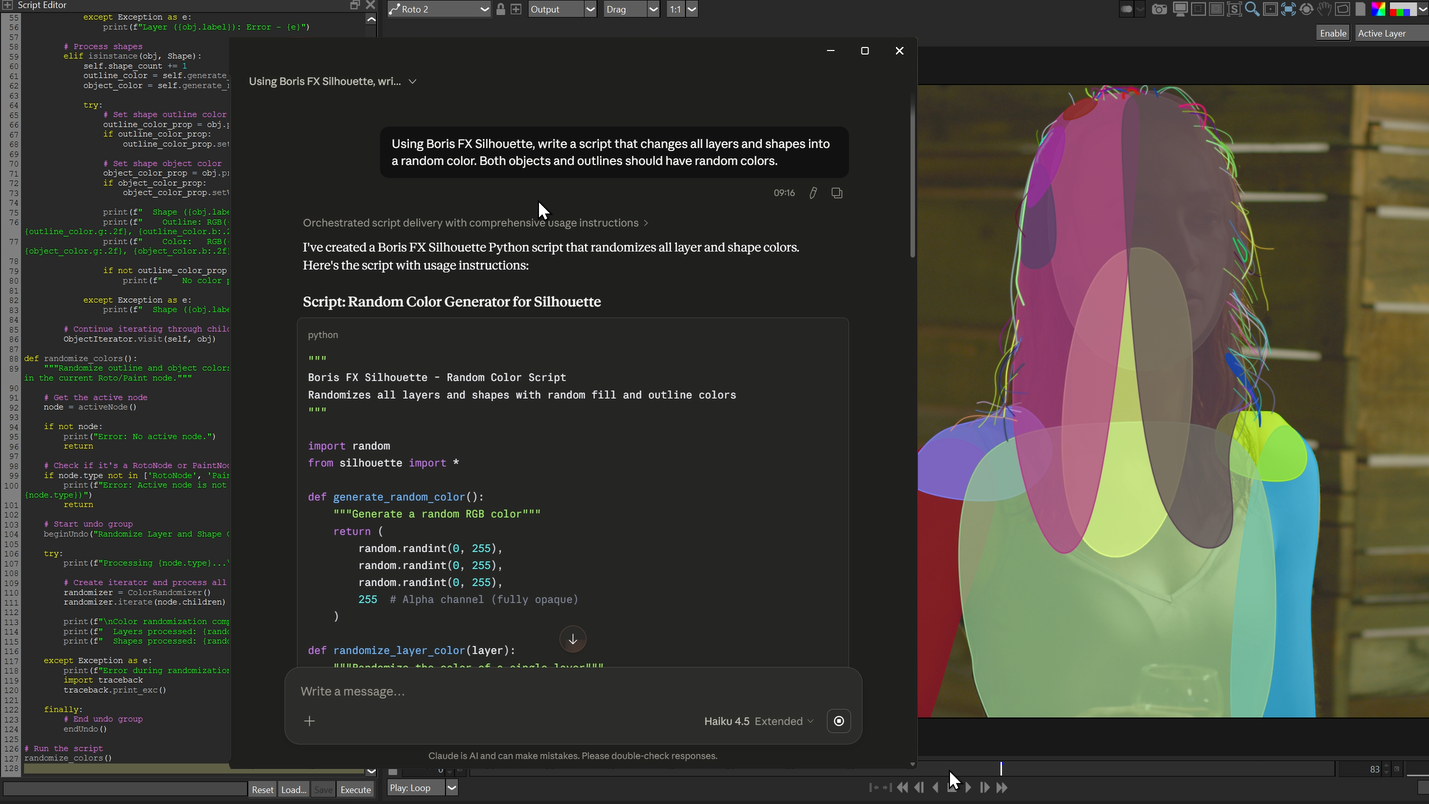
NVIDIA’s SIGGRAPH coverage highlights Model Context Protocol integrations that allow AI agents to work directly inside professional creative applications. Adobe, Affinity, Blender, Boris FX Silhouette, Foundry, Houdini and Unreal workflows can increasingly expose scenes, layers, node structures, edits and production tasks to AI assistants.
Why visual creators should care
The risk is no longer limited to what an image generator produces. An agent may gain access to layered client files, unpublished photography, visual references, metadata and production systems. Studios therefore need to know what the agent can inspect, modify, export or transmit.
Practical takeaway
Define agent permissions at project level. Record which applications and files the agent can access, whether confidential client material leaves the local environment, which actions require approval and whether every automated change is logged.
What to watch next
Watch whether creative applications introduce reliable action histories, file-level permissions and provenance for agent activity, and whether agencies begin restricting AI-agent access to confidential or pre-release assets.
Sources