Europe is moving beyond labelling synthetic intimate imagery and towards prohibiting the systems that produce it
Regulation (EU) 2026/1744 entered into force on July 27 and amends the EU AI Act to prohibit certain AI systems that generate or manipulate realistic images, video, audio or similar material showing an identifiable person’s intimate parts or sexually explicit activities without freely given, specific, informed, unambiguous and explicit consent. The new prohibitions apply from December 2, 2026. The regulation also gives providers of synthetic-content systems placed on the market before August 2 until December 2 to comply with the AI Act’s machine-readable marking obligation.
Why visual creators should care
This moves European synthetic-image policy beyond disclosure. For qualifying systems and uses, the issue is no longer simply whether the resulting image is labelled as AI-generated; the generation itself can fall within a prohibited practice. That matters to image generators, face-swap services, agencies, publishers and anyone building products around synthetic people.
Practical takeaway
Visual businesses should distinguish between disclosure compliance and permission to generate. A synthetic-image label cannot cure the absence of valid consent. Review any workflow involving face replacement, digital undressing or sexually explicit synthetic representations before the December application date.
What to watch next
Watch Commission and national-regulator guidance on what counts as adequate safeguards, reasonably foreseeable misuse and explicit consent, particularly for general-purpose image generators capable of producing prohibited material.
Sources
A viral meme is becoming a test of whether AI platforms can commercialise someone else’s artwork
Filipino artist Elmer Saflor, known online as Superelmer, has filed a federal copyright lawsuit against Memes Apps LLC, operator of Memes.ai and Memes AI Studio. Saflor alleges that the company reproduced his widely shared Running Away Balloon comic and offered it through a paid commercial content-generation service without permission. The case was filed on July 1 in the US District Court for the Central District of California and received renewed attention this week as Saflor described his concerns about AI platforms turning viral creator-owned work into commercial templates.
Why visual creators should care
The dispute is different from many AI-training cases because the allegation centres on recognisable reproduction of an existing finished artwork inside a commercial product. A work becoming a widely shared meme does not automatically erase the underlying artist’s copyright or turn commercial advertising use into a free-for-all.
Practical takeaway
Artists whose work becomes culturally ubiquitous should still preserve source files, publication history and copyright registrations. Agencies using meme templates commercially should establish who owns the underlying artwork instead of assuming internet popularity means unrestricted commercial use.
What to watch next
Watch whether the case reaches the question of direct platform liability, what evidence discovery reveals about actual generated advertisements and whether Memes Apps argues fair use, licence or another defence. The allegations remain unproven.
Sources
Actors are discovering synthetic versions of performances they thought they had already finished
Actors working in the US vertical-drama industry have told Business Insider that shows they appeared in were later remade using synthetic performers who appeared to reproduce elements of their voices, movements and performances. Ashley BeLoat said an AI character in a remake of a series she had starred in mimicked her movements and sounded like her. Brittany Marsicek described a similar experience and said her contracts generally contained broad editing permissions but no meaningful AI protections. The productions concerned are often nonunion.
Why visual creators should care
Traditional performer agreements can become dangerously ambiguous when a producer can transform recorded footage into a reusable synthetic performance. Permission to edit an actor’s recorded appearance is not necessarily the same thing as informed permission to build a digital replacement capable of performing new scenes.
Practical takeaway
Performers, photographers and production companies should separate ordinary editing rights from digital-replica rights. Contracts should state whether face, voice, movement or performance data may be used to generate new material and whether separate approval and compensation are required for each reuse.
What to watch next
Watch whether micro-drama producers begin adopting explicit AI clauses, whether performers pursue legal claims and whether union-style digital-replica protections spread into nonunion production.
Sources
Meta’s nudify problem has moved from prohibited content to the advertising system selling access to it
A Tech Transparency Project investigation says GatherOne, one of Meta’s authorised Chinese advertising partners, was listed as advertiser and payer on thousands of Facebook and Instagram ads promoting AI nudify and face-swap applications. Bloomberg reporting based on the investigation put the number at roughly 7,600 ads. Meta says it prohibits non-consensual intimate imagery and nudify apps and has removed many of the ads; GatherOne says it has suspended new advertising accounts for AI nudifying and face-swap services while it upgrades compliance.
Why visual creators should care
Platforms increasingly have strong written rules against synthetic sexual abuse, but those rules are only useful when advertising, app distribution and monetisation systems enforce them consistently. This is also a rights issue for photographers and visual creators because ordinary portraits and social images are often the raw material used to create the resulting synthetic imagery.
Practical takeaway
When documenting likeness abuse, preserve the advertisement as well as the resulting content. Save advertiser identity, platform disclosure data, destination URLs, dates and screenshots. Distribution evidence can matter as much as the generated image itself.
What to watch next
Watch whether Meta terminates additional advertising relationships, whether regulators examine platform responsibility for paid promotion of nudify services and whether the EU’s new prohibitions change how these apps can be marketed in Europe.
Sources
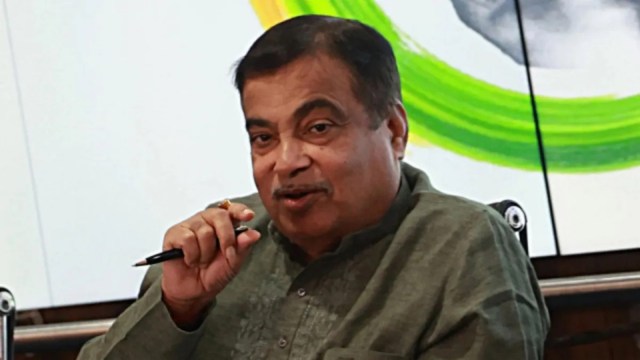
A Bombay deepfake case puts personality rights and platform removal in the same lawsuit
The Bombay High Court has allowed Indian transport minister Nitin Gadkari to institute a civil suit against Meta Platforms, X Corp, Google LLC and others over allegedly defamatory AI-generated deepfake videos and manipulated content. Gadkari alleges that the material falsely associates him with India’s E20 fuel programme and exploits his personality and publicity rights without consent. The court has not ruled that the platforms are liable; an application for interim relief, including a temporary injunction, will be heard later.
Why visual creators should care
The case illustrates how deepfake disputes increasingly combine several different rights questions: whether the likeness was authorised, whether the represented speech or conduct is false, and what responsibility a platform has once removal is sought. Those issues can apply well beyond politicians to performers, creators and commercial subjects.
Practical takeaway
When challenging a deepfake, separate the claims. Preserve evidence of the unauthorised likeness, the false or altered content, where it was published and every removal request sent to the platform.
What to watch next
Watch the court’s interim-relief hearing closely. Any order defining when Meta, X or Google must remove allegedly synthetic content could have wider implications for future Indian likeness and platform disputes.
Sources
Japan is trying to define when an AI imitation becomes a legally protected likeness
An expert committee of Japan’s Justice Ministry broadly approved a draft report on July 27 addressing civil liability for unauthorised generative-AI use of recognisable voices. The draft says celebrity voices can fall within Japan’s right of publicity and that compensation or removal may be available where infringement is established. Reporting on the wider draft also indicates that AI-generated sexual images based on a person’s portrait may raise both publicity-right and portrait-right questions. A final report could arrive as early as August.
Why visual creators should care
Synthetic identity is rarely limited to an exact photographic copy. A generated character may look different while still being recognisable through voice, mannerisms or distinctive physical characteristics. The Japanese work reflects the wider legal move towards asking whether the person remains identifiable rather than whether the replica is technically identical.
Practical takeaway
Do not limit likeness clearance to facial photographs. Where synthetic performers are used, contracts should consider voice, appearance and other recognisable characteristics separately and state what kinds of generated derivative are permitted.
What to watch next
This is draft expert guidance rather than legislation or a court judgment. Watch the final Justice Ministry report and any later Japanese cases applying publicity rights to AI-generated voices or visual replicas.
Sources