Real photographs are being given AI labels — and creators are having to prove the negative
Creators interviewed by Business Insider say Instagram and TikTok have placed AI-generated or AI-modified notices on content they say was made without generative AI. Photographer Gregory Littley reported that scans of physical Polaroids and photobooth strips received Meta notices suggesting AI modification. Other examples included handmade paintings. Editing with tools such as Lightroom or Canva has also been associated with posts receiving AI-related classifications.
Why visual creators should care
An authenticity label can affect more than audience perception. Brands are increasingly placing restrictions on generative AI inside campaign briefs, so a false platform label can create doubt about whether a photographer or creator complied with a client agreement.
Practical takeaway
For commissioned social work, retain the original capture or artwork, raw or scan file, edit history and export. If a platform falsely labels the finished post, screenshot the label immediately and preserve the exact uploaded file. That gives you evidence for both an appeal and any client question about how the work was produced.
What to watch next
Watch whether Meta and TikTok introduce clearer appeal mechanisms for AI labels and whether their systems begin distinguishing generative creation from ordinary editing features that happen to use machine learning.
Sources
Meta’s automated ad review missed synthetic abuse that violated its own rules
Researchers from the Tech Transparency Project identified more than 50 image and video ads in Meta’s advertising library containing AI-generated abusive imagery involving children or promoting nudification and face-swapping services. The ads had appeared across Facebook, Instagram, Messenger and Threads. Meta says ads are reviewed before publication primarily using automated systems. After WIRED contacted the company, the offending ads were removed, but researchers found additional examples around the publication period.
Why visual creators should care
Automated classification can wrongly accuse legitimate creators while simultaneously failing to identify clearly prohibited synthetic media. That makes it difficult for photographers, platforms and regulators to treat automated AI detection as a reliable final decision.
Practical takeaway
Where your work is affected by a moderation or authenticity decision, keep the underlying evidence rather than arguing only from the platform’s label. For agencies placing ads, review generated material internally before submission and retain approval records even where the platform accepts the creative.
What to watch next
Watch whether Meta changes advertiser verification or human-review requirements for nudification, face-swap and synthetic-person services, and whether regulators scrutinise the distinction between user posts and paid material that the platform has actively approved.
Sources
Content Credentials are becoming something photographers can choose at camera purchase
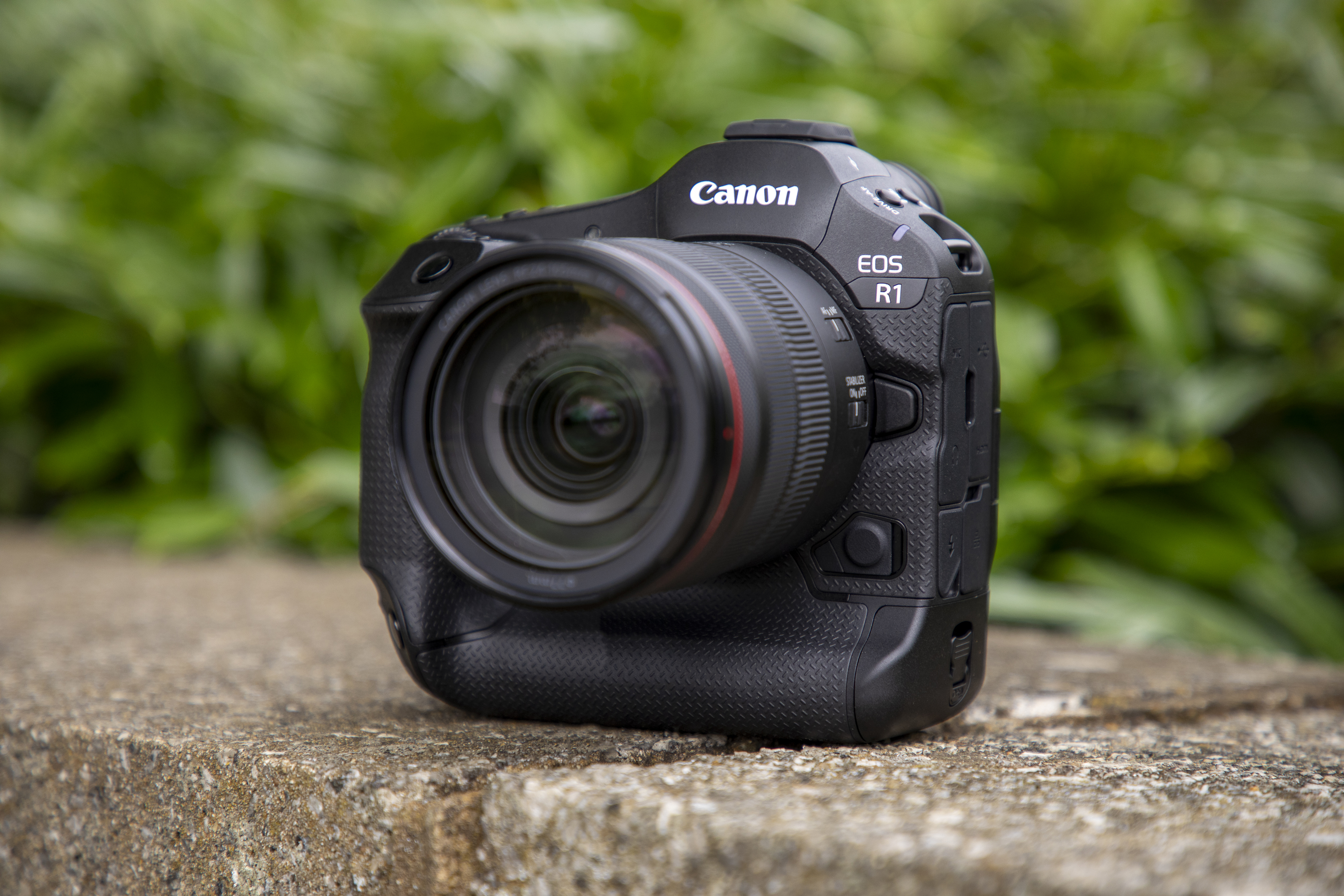
An updated August survey of current cameras with C2PA support shows provenance capture now available across bodies including the Canon EOS R1 and R5 Mark II, several Sony Alpha and Cinema Line models, Leica bodies and Fujifilm cameras. The implementations are not identical: Leica uses hardware-backed signing in supported cameras, while Canon’s professional authenticity system requires paid activation and Sony offers different licensing levels for some newsroom workflows.
Why visual creators should care
Photographic provenance is moving out of the experimental phase. A professional photographer can increasingly choose equipment capable of signing an image at capture, creating evidence that the file originated in a specific camera before later editing or AI processing.
Practical takeaway
If provenance matters to your work, check the whole workflow before buying on the strength of a C2PA logo. Confirm whether signing requires a licence, which file formats are supported, whether your editor preserves credentials and whether the publication platform keeps them intact.
What to watch next
Watch whether C2PA capture becomes standard rather than optional on professional bodies and whether clients, competitions and news organisations begin asking photographers to supply signed originals.
Sources
Researchers are trying to recognise the artist even after the provenance has disappeared
IDraw is a new research system for verifying authorship of digital drawings from the finished image. The researchers start from a practical limitation of existing provenance systems: watermarks and metadata may not survive redistribution. Their system instead compares a disputed drawing with verified reference drawings and attempts to identify artist-specific characteristics while reducing the influence of what the image happens to depict.
Why visual creators should care
Artists often encounter copied, reworked or disputed images only after platform processing has removed useful metadata. A verification method based on characteristics across an artist’s body of work could eventually provide another kind of evidence where the original provenance chain is missing.
Practical takeaway
Illustrators should continue preserving source files and process records rather than relying on future forensic tools. A consistent archive of verified work may itself become useful evidence if authorship later has to be established through comparison.
What to watch next
Watch independent testing against AI imitation, deliberate stylistic copying and artists whose work changes substantially between projects. The paper is research, not a deployed authorship-verification service.
Sources
Invisible AI watermarks are being redesigned for the assumption that someone will try to remove them
SpreadMark is a new research approach to invisible image watermarking aimed specifically at provenance and deepfake workflows. The researchers argue that existing neural watermark systems can be fragile because individual information bits occupy relatively small image regions. Their proposed method distributes each bit more widely through the image and trains the system with deliberate removal attacks in mind.
Why visual creators should care
AI transparency laws and platform systems increasingly depend on machine-readable signals surviving ordinary editing and deliberate interference. A provenance method that works only until somebody compresses, crops or attacks the file is weak protection in exactly the situations where authenticity is contested.
Practical takeaway
Do not assume an invisible watermark is permanent. For important work, combine machine-readable provenance with retained originals, signed metadata and project records rather than relying on one hidden signal.
What to watch next
Watch independent testing against real social-media recompression, screenshots, generative editing, cropping and deliberate watermark-removal tools. SpreadMark is currently research rather than a production standard.
Sources
Artist-style and protected-character safeguards may not require rebuilding the image model
New research called T2S2 tests a method for steering diffusion generation at inference time rather than retraining the underlying model. The authors evaluate the approach on Stable Diffusion models across nudity suppression, protected-character suppression and artist-specific style suppression, reporting improved suppression while attempting to preserve output quality.
Why visual creators should care
Visual AI companies often frame style or intellectual-property safeguards as a model-training problem. This work suggests that some restrictions may also be applied during generation, potentially making creator or rights-holder controls easier to update without training a new foundation model.
Practical takeaway
Treat current prompt restrictions as product choices rather than fixed technical limits. For artists and licensors negotiating with AI providers, ask what controls can be added at generation time and how reliably they prevent imitation across indirect prompts.
What to watch next
Watch testing on current commercial image systems and on attempts to bypass artist or character suppression through paraphrasing and visual references. The results are preprint research and do not establish a legal standard for what counts as infringement.
Sources