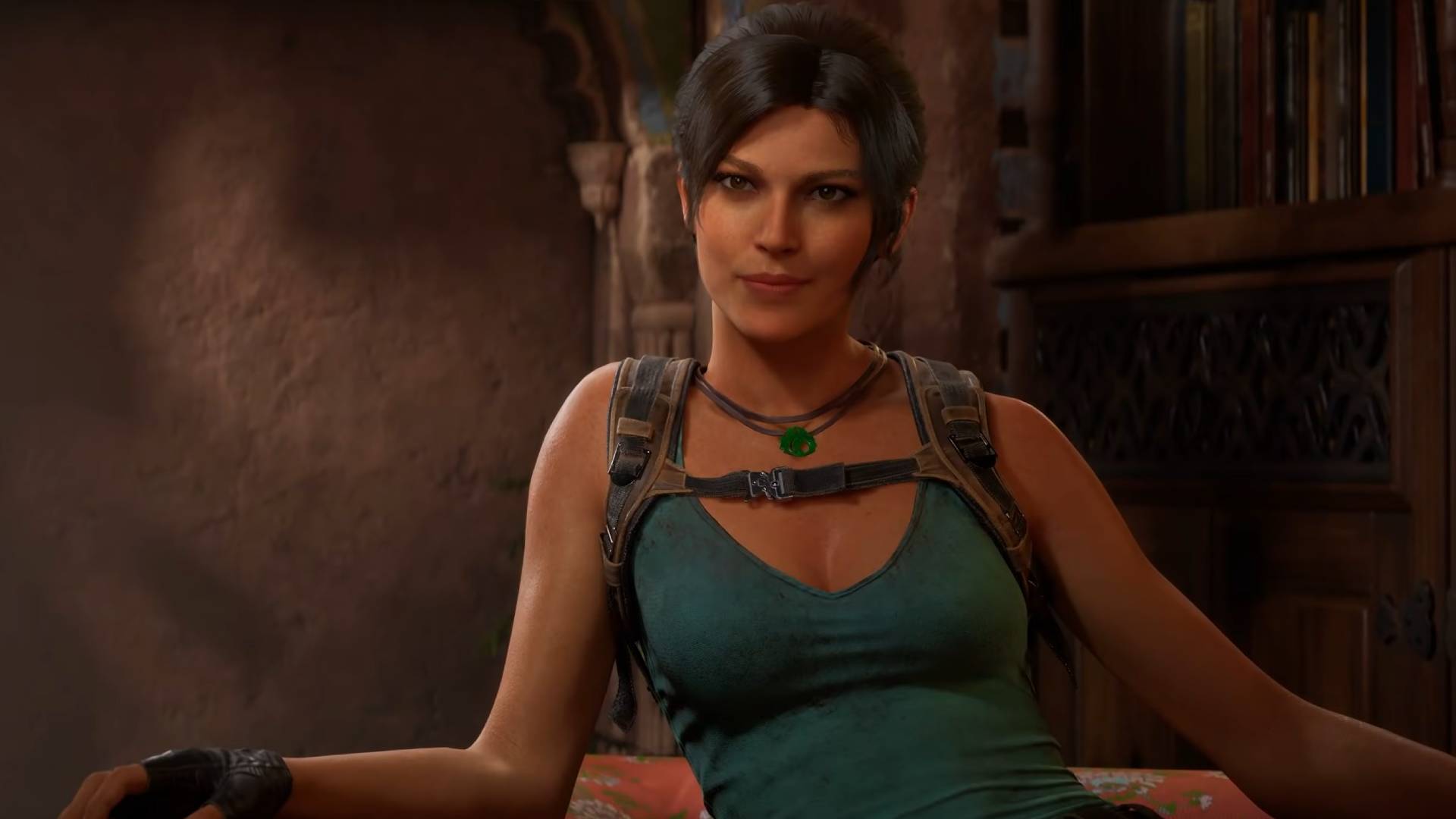
For some creative clients, 'no generative AI' is becoming contract language rather than a preference
GamesRadar reports that corporate IP lawyer Haley MacLean is seeing generative-AI prohibitions become routine in the game-development and publishing agreements she handles. An anonymised clause shared in the report prohibits using generative AI to create the product and separately prohibits inserting project material into AI system libraries or databases without prior written consent. MacLean says she would now push for such wording where a publisher may also create marketing or other assets.
Why visual creators should care
The principle extends directly to commissioned visual work. A photographer or illustrator can comply with a client's no-AI requirement when making the final asset but still breach the intended boundary by uploading project files, artwork, photographs or campaign material to an AI service somewhere else in the workflow.
Practical takeaway
If a client says no generative AI, define what that means. Cover asset generation, generative editing, reference-image uploads, model training, marketing variants and the client's own downstream use. A useful clause should address both creating new material with AI and putting existing project material into AI systems.
What to watch next
Watch whether no-generative-AI clauses spread beyond games into advertising, illustration, photography and agency master-service agreements, and whether they begin distinguishing generative tools from ordinary machine-learning editing.
Sources
Adobe draws a line between analysing your files and training generative AI on them
Adobe's current Content Analysis FAQ states that it does not analyse Creative Cloud or Document Cloud customer content to train generative AI models unless the user chooses to submit that content to Adobe Stock. Adobe separately says server-stored content may, subject to account type and opt-out or consent rights, be analysed for general product improvement. Business profiles are automatically opted out of that product-improvement analysis.
Why visual creators should care
Professional creators often use 'training' as shorthand for any automated analysis of their files. Adobe's policy shows why the distinction matters. Model training, ordinary product-improvement analysis, voluntary improvement programmes and Stock contributor participation are separate uses with different controls.
Practical takeaway
When a client asks whether Adobe trains on their photographs, record the precise answer rather than simply writing 'Adobe does not analyse files'. Generative-AI training is excluded under the stated policy outside Adobe Stock, but other forms of product analysis can depend on account settings and voluntary programmes.
What to watch next
Watch for changes to the Stock exception, product-improvement settings and business-profile treatment as Adobe puts more third-party generative systems inside Creative Cloud.
Sources
Choosing an AI model inside Adobe can also choose where your reference files are sent
Adobe's current partner-model documentation now contains a specific disclosure for Chinese-developed models. It says using Seedance 2.0, Kling 3.0 or Kling 3.0 Omni requires sending the user's prompt and reference files to the Chinese company that developed the model. Adobe says contractual protections prevent the material from being used to train either the partner model or Adobe models and that technical and contractual safeguards address privacy and data-transfer requirements. Adobe also says these Chinese partner models are not available through Creative Cloud enterprise plans.
Why visual creators should care
The application name no longer tells a client where their image went. A photograph can be opened in an Adobe product while the selected generative model is operated by another company in another jurisdiction. For confidential campaigns, unreleased products and identifiable people, the model choice becomes part of the data-flow record.
Practical takeaway
Record the actual partner model used, not simply 'Adobe Firefly' or 'Photoshop'. Before uploading confidential reference material, check whether the selected model sends files to another provider and whether the client's data-location policy allows that processing.
What to watch next
Watch whether Adobe makes provider location, data transfer and retention information visible directly beside each model selector and whether enterprise availability expands after its additional reviews.
Sources
CapCut is telling creators not to confuse an AI licence with copyright ownership
CapCut's newly published 2026 AI-image copyright guide tells creators to separate copyrightability from permission to use an output. It notes that platform terms may grant commercial use rights even where copyright ownership in a largely machine-generated image remains uncertain. The guide recommends keeping the model, prompt, version, output and human editing history with the asset.
Why visual creators should care
This distinction matters whenever an agency promises ownership or exclusivity to a client. Being allowed by a platform to put an image in an advertisement does not necessarily mean the agency owns copyright in that image or can stop another party from making or using something similar.
Practical takeaway
In AI-assisted client work, record two answers separately: what does the platform permit you to do with the output, and what human-authored elements could actually attract copyright protection? Do not turn 'commercial use permitted' into 'client owns exclusive copyright'.
What to watch next
Watch whether CapCut moves these recommendations into product-level project records or rights warnings when creators generate assets for ads, templates and social-video workflows.
Sources
C2PA now has a specific place to record AI disclosure inside the credential
Version 2.4 of the C2PA specification added a dedicated c2pa.ai-disclosure assertion for machine-readable AI transparency information. The same specification also strengthens how actions and ingredients can describe the history of an asset and supports digital-source types distinguishing captured, algorithmically enhanced, composite and trained-algorithmic material.
Why visual creators should care
A generic Content Credential does not have to mean simply 'AI' or 'not AI'. The standard is increasingly capable of describing what kind of AI involvement occurred, which is much closer to what professional photographers and clients actually need.
Practical takeaway
When choosing provenance systems, look for records that distinguish capture, generative creation and mixed or AI-assisted work. A binary AI label throws away useful information that could otherwise explain what happened to the image.
What to watch next
Watch which cameras, editing applications and publishing platforms begin exposing the newer AI-disclosure fields to ordinary users rather than keeping them buried in technical manifests.
Sources
A photography competition draws the AI boundary around whether a camera image existed first
The Architecture Photography Awards' current rules say fully AI-generated images are not accepted and describe the event as a photography competition rather than a digital-art contest. At the same time, standard editing including colour correction, masking and object removal in tools such as Lightroom or Photoshop is permitted, provided the image originates from a real photograph made with a camera.
Why visual creators should care
This is a more useful distinction than simply saying 'AI is banned'. It recognises that modern photographic software contains algorithmic tools while preserving a requirement that the underlying visual event was captured rather than generated.
Practical takeaway
Where a competition or client requires photography, preserve the camera original and distinguish editing from generation in your records. The existence of AI inside the software does not necessarily make the image AI-generated, but replacing the underlying photographed reality may cross the line.
What to watch next
Watch whether photography institutions increasingly define eligibility through camera origin and material generation rather than naming particular software tools that quickly become outdated.
Sources