A Twitch streamer is taking Amazon’s AI-training policy to court
Twitch creator Warren Pandiscia filed a proposed class action in the Northern District of California on August 20 against Twitch and Amazon. The complaint alleges that creators’ streams and videos were used without permission or compensation to develop Amazon AI products. The lawsuit arrives shortly after Twitch introduced a setting allowing creators to opt out of future Amazon generative-AI training. Twitch says material potentially covered by that training includes streams, past broadcasts, clips, chats, pictures and text.
Why visual creators should care
For visual creators, the dispute goes beyond photographs scraped from a website. A single stream can contain a creator’s face, voice, filmed environment, graphics, illustrations, performances and licensed third-party material. A platform-level decision to use that material for training can therefore involve several overlapping rights.
Practical takeaway
If you publish professional visual work through a platform that offers an AI-training control, record the setting and the date you changed it. Also check whether you actually own or control every element that the platform may treat as your channel content, particularly guest appearances, commissioned artwork and licensed media.
What to watch next
Watch how Twitch and Amazon respond to the complaint and whether the case turns on Twitch’s historical terms, the timing of the new opt-out, or whether creators had a reasonable contractual expectation that their material would not be used for generative training.
Sources
YouTube now gives creators four specific ways to challenge an AI-likeness claim
YouTube is adding four dedicated dispute categories for likeness claims involving altered or AI-generated faces and voices: Explicit Consent; Parody, Satire, or Public Interest; Content Not Altered or Made with AI; and Claimed Content Doesn't Appear. The platform is also renaming the Copyright area in individual video details to Claims so copyright restrictions and likeness complaints appear in one place. YouTube says the change does not alter its underlying policies.
Why visual creators should care
The categories reveal the evidence creators may increasingly need when synthetic people appear in professional video. A production may need to demonstrate consent, show that footage was genuinely captured rather than generated, or explain why an otherwise realistic synthetic portrayal is legitimate commentary or parody.
Practical takeaway
Keep performer releases and synthetic-likeness permissions somewhere the production team can retrieve quickly. If material is authentic camera footage, retain the originals. Disclosure that something was made with AI does not itself give permission to use somebody’s likeness.
What to watch next
Watch how YouTube reviews disputes under the new categories, particularly false positives involving authentic footage and cases where a creator has documented permission for synthetic use.
Sources
An absurd AI meme is turning into a serious test of who can own generated visual work
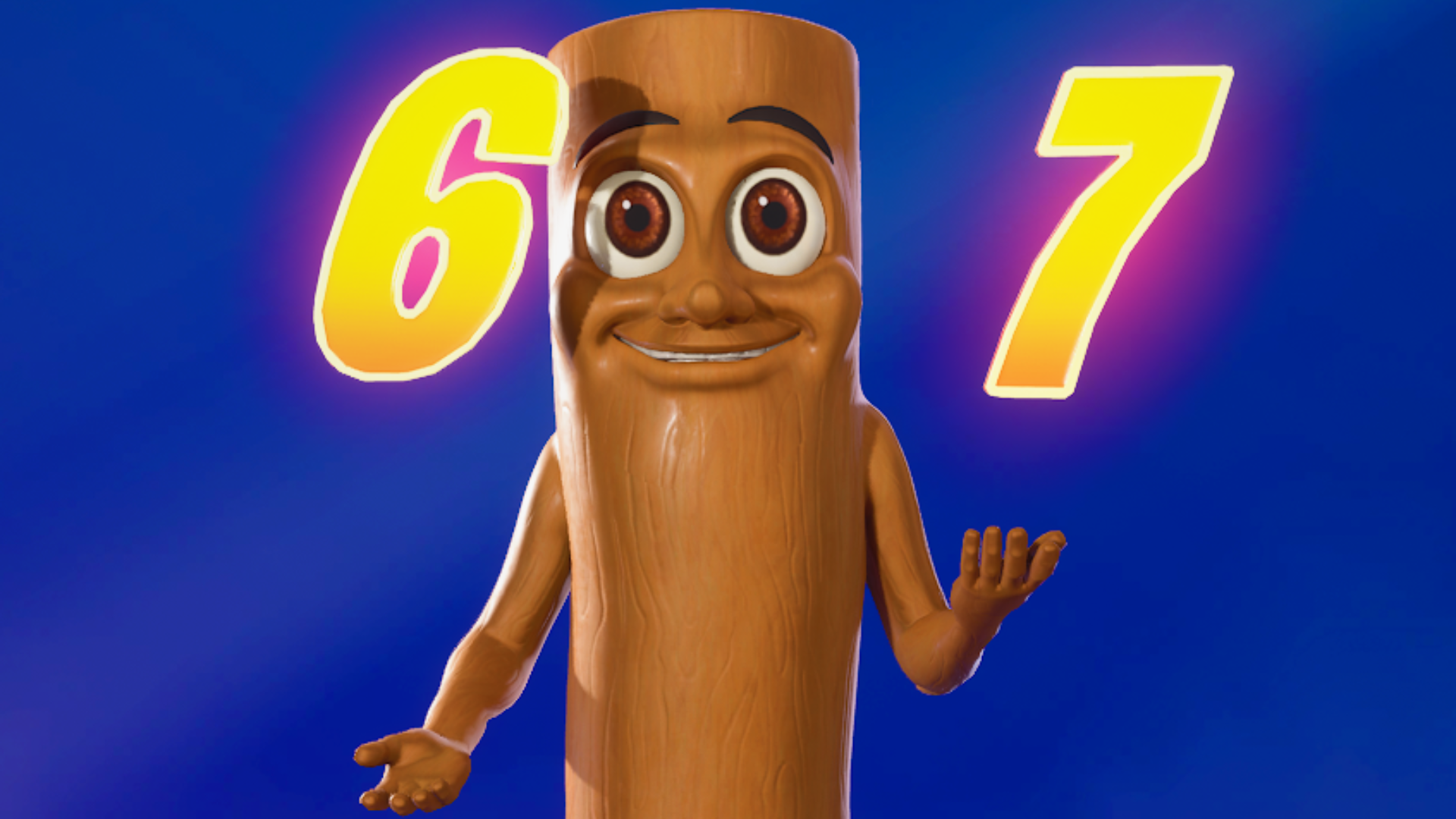
A continuing US dispute over the AI-generated character Tung Tung Tung Sahur is raising a concrete human-authorship question. Spyder Games has challenged Mementum Labs’ ability to assert rights over the character, while Mementum says the creator’s process involved numerous prompts, iterations, selections, refinements and other creative choices. NPR revisited the dispute on August 21 as an example of the unresolved ownership problem surrounding commercially valuable AI-generated characters.
Why visual creators should care
The legal question is familiar to AI image creators but unusually tangible here because the image has become a commercially valuable character used in games, merchandise and licensing. If copyright turns on human creative control, the production history may matter far more than the apparent complexity of the final image.
Practical takeaway
If you expect an AI-generated visual concept or character to become valuable IP, keep more than the final file. Retain prompts, rejected iterations, manual edits, compositing decisions, sketches and evidence of selection and refinement.
What to watch next
Watch whether the dispute produces a substantive ruling on copyrightability or is resolved primarily through trademark and commercial-use claims, which could leave the central human-authorship question open.
Sources
Independent filmmakers can now add provenance before their film enters the festival circuit
CineLot has partnered with SonicOrigin to add provenance and rights-management tools directly to its film-submission platform. Eligible filmmakers can apply invisible watermarking, signed C2PA Content Credentials, an AI Do Not Train declaration and EIDR registration when a film is uploaded. CineLot says its platform serves more than 230,000 filmmakers and supports online screenings for more than 400 festivals.
Why visual creators should care
Festival files can pass through programmers, judging systems, online screeners, sales agents and distributors. That is exactly the point where metadata can be stripped, copies can spread and the original creator can lose sight of which version is circulating.
Practical takeaway
If a submission platform supports provenance, attach it before the film starts circulating. Keep the same identifier linked to the master file, rights owner, AI-use declaration and distribution records rather than creating provenance only after a problem appears.
What to watch next
Watch whether festivals begin requiring or displaying provenance information and whether Do Not Train declarations survive subsequent transcoding and distribution workflows.
Sources
The Exif standard is starting to carry a photographer’s AI-training intention inside the photograph
The Camera & Imaging Products Association says its 2026 Exif work includes a mechanism for recording a copyright holder’s intentions about use of an image for AI training and other purposes directly in the image file. CIPA’s wider initiative also includes a mechanism for preserving an original camera image alongside the standard recorded version and work with C2PA to make the original’s location tamper-evident.
Why visual creators should care
Photographers have spent years relying on website terms, robots files or separate opt-out systems to express whether images may be used for training. Putting that preference into standard camera metadata creates the possibility that the instruction can travel with the photograph itself.
Practical takeaway
Watch for camera and software support for the new Exif fields. A preference embedded in the image is useful only if editing applications, DAM systems, publishers and training pipelines preserve and respect it.
What to watch next
Watch which camera manufacturers implement Exif 3.1’s AI-related fields and whether major editing and stock platforms expose those settings to photographers rather than leaving them buried in metadata.
Sources
Hollywood is trying to define AI by who remains in control of the creative process
Fresh reporting describes an industry group involving filmmakers, actors, studio figures and technology companies developing a framework for AI use in film around a human-controlled creative process. The discussions were convened by figures including Kathleen Kennedy and AFI dean Susan Ruskin, with a recent gathering involving roughly 120 participants. The reported framework attempts to distinguish established AI-assisted production from uses where human control and potentially copyrightable authorship need to be preserved.
Why visual creators should care
Film production already contains machine-learning tools, generative systems, conventional VFX and fully synthetic media. A blanket AI label cannot describe those differences. A framework based on who made the expressive decisions would line up more closely with the copyright question facing filmmakers.
Practical takeaway
For AI-assisted filmmaking, record creative control rather than just tool use. Note who chose the performance, framing, edit, timing, design and final output, particularly where copyright ownership in the finished work matters.
What to watch next
Watch for the framework itself to be published in a form that productions, guilds and studios can implement, and whether it develops concrete requirements around consent, compensation and production records.
Sources