Denmark proposes a consent rule for realistic AI copies of people and performers
Denmark's culture minister Zenia Stampe presented a proposal on October 8 to restrict the unauthorised digital copying and sharing of realistic representations of a person's face, voice and other identifiable characteristics. Reuters reports that the proposal is intended to protect the public as well as artists whose performances or work might be imitated and distributed. It includes exceptions for caricature, parody, satire and criticism of society and people in power. The government wants platforms to remove harmful manipulated material promptly. The bill still requires parliamentary approval; it is not an enacted blanket ban on all AI images, and its final scope may change.
Why visual creators should care
For portrait photographers, agencies and filmmakers, permission to use a real person’s likeness may become a more explicit legal requirement for synthetic edits and digital doubles, beyond conventional image licensing.
Practical takeaway
Get written consent for synthetic uses of identifiable faces and performances. Specify whether permission covers generation, modification, distribution, advertising and reuse, and distinguish a lawful parody from an unauthorised endorsement.
What to watch next
Parliamentary debate, the final wording and exceptions, any platform takedown duties, and whether the proposed law takes effect around the beginning of 2027.
Sources
US appeals court pauses Minnesota’s AI nudification law for xAI while the case continues
On October 2, the US Court of Appeals for the Eighth Circuit granted xAI an injunction pending appeal in its challenge to Minnesota's 2026 law governing AI services that can create synthetic intimate images from real people's photographs. Bloomberg Law reported the temporary order on October 5, followed by specialist photography coverage on October 6. A lower court had previously refused a preliminary injunction. The appeals court's short order did not explain its reasoning or decide whether the law violates the First Amendment. The statute remains on the books, and the precise interim relief should not be confused with a nationwide decision striking down non-consensual image protections.
Why visual creators should care
This dispute concerns the obligations of companies offering image-generation tools and the protection of people depicted in photographs. It also illustrates how unsettled the US legal approach to synthetic likeness remains.
Practical takeaway
Do not treat an interim injunction as permission to generate or distribute non-consensual intimate imagery. Agencies and platforms should maintain explicit consent controls and continue checking applicable state and federal rules.
What to watch next
The appeal in xAI v Ellison, No. 26-2806, especially the first reasoned merits decision and any clarification of the injunction’s scope.
Sources
Runway opens its developer API to Kling video models, including 4K and reference-guided edits
Runway's official developer changelog dated October 13 says Kling 2.5 Turbo Pro, Kling 3.0 Standard, Pro and 4K, and Kling O3 variants are now available through Runway Dev. Depending on the model, creators can generate video from text, first and last frames, or reference images; O3 supports video-to-video editing and up to seven reference images, counting keyframes. Kling 3.0 supports multishot prompts and optional generated audio, while some tiers support 4K output. Runway publishes different credit-per-second charges by model and audio setting. This is a new API integration, not evidence that Kling itself was invented or released on October 13.
Why visual creators should care
Production teams can integrate multiple video models into a single automated workflow while retaining control over reference frames, shot structure and predictable usage costs.
Practical takeaway
Budget using model-specific credit rates and render lengths. Preserve rights to all uploaded source footage and reference images, and log model/version and output identifiers for each shot.
What to watch next
Production tests for continuity and reference fidelity, developer terms governing uploaded media, and whether these models meet client delivery and provenance requirements.
Sources
Ideogram 4.5 and 4.0 arrive in Runway’s image API with typography and masked editing
A separate October 12 entry in Runway's developer changelog adds Ideogram 4.5 and Ideogram 4.0 to Runway Dev. The 4.5 integration supports long text prompts, up to five reference images, 1K and 2K output sizes, and as many as eight images per request. It also supports precise editing of a reference image and mask-based edits to selected areas. Runway lists credit prices that vary by quality setting and image count. Ideogram 4.5 was already supported through Runway's MCP workflow before this API change, so the new development is the developer endpoint and its published controls rather than the first appearance of the model.
Why visual creators should care
Agencies and designers increasingly need repeatable production of image variants containing readable typography and controlled edits, rather than isolated text-to-image experiments.
Practical takeaway
Use masked edits for tightly scoped changes, keep original design assets and reference licences, and test legibility, logos and product accuracy before commercial release.
What to watch next
Independent quality tests, any changes to model-specific commercial terms and how reliably precise edits preserve supplied brand assets.
Sources
Adobe details automatic Content Credentials for supported enterprise AI image and video workflows
Adobe's generative AI content-transparency documentation, last updated October 8, explains its automatic attachment of C2PA provenance metadata to qualifying generated or AI-edited assets in supported Adobe CX Enterprise workflows. The documentation says the feature is enabled by default and cannot be switched off for supported content, while existing credentials are preserved across supported workflows. Metadata can include model details, whether content was generated or edited, and timestamps. Adobe says the broader rollout began in August 2026; October 8 is the documentation update, not a fresh universal launch across every Adobe product. C2PA metadata is machine-readable provenance information, distinct from a visible watermark, and may not survive every external platform's processing.
Why visual creators should care
For commercial studios and agencies, automatic machine-readable provenance can reduce manual disclosure gaps and help clients trace which AI operations affected delivered assets.
Practical takeaway
Check which specific Adobe products and export paths attach or preserve C2PA credentials. Verify the delivered file with a compatible inspector, retain originals and edit logs, and do not assume a missing credential proves an image is camera-original.
What to watch next
Application-specific rollout notes, third-party preservation of credentials, and requirements arising from EU AI transparency rules.
Sources
AI-made film Gods Don’t Give Gifts moves toward theatrical release and an awards campaign
Deadline reported on October 6 that YouTuber Zack London, known as Gossip Goblin, had released a trailer for Gods Don't Give Gifts, a science-fiction anthology made with generative visuals and produced by Edward Saatchi. Its makers say the film has an R rating from the Motion Picture Association and claim it is the first AI-made feature to receive one; that 'first' status has not been independently established from an MPA listing. A limited US and UK theatrical release is planned for December 4, with a campaign for Best Animated Feature at the Academy Awards. A planned campaign is not a nomination, and the film's classification and eligibility should not be conflated with copyright clearance for every visual or performance.
Why visual creators should care
A generative film is being presented as a conventional theatrical product, putting distribution, rating, awards eligibility, human creative contribution and rights documentation under closer scrutiny.
Practical takeaway
Keep shot-level source and model records, document human writing, acting and editing contributions, and obtain distribution advice rather than assuming a rating or festival acceptance clears copyright and likeness rights.
What to watch next
Confirmed classification records, theatrical screenings and distribution, Academy eligibility decisions, and the film’s disclosed production credits.
Sources
Venice’s Burano AI Film Festival requires entrants to describe what AI actually generated
The fourth Burano Artificial Intelligence Film Festival opened in Venice on October 13 and runs through October 17, according to its official website and FilmFreeway entry page. The published competition rules require films to have at least 25% of their content made with AI assistance, and entrants must name the software used and submit an information sheet describing which content was generated with AI and how. The event includes screenings, talks and competition awards. Its published rules are specific to this festival and should not be mistaken for a legal definition of an AI film or an industry-wide disclosure threshold. The 2026 entry window has closed.
Why visual creators should care
Unlike festivals that simply prohibit AI imagery, this event asks filmmakers to document their use of AI. That provides a practical example of how disclosure requirements can be made more specific.
Practical takeaway
Maintain a scene or shot log identifying generated elements, model names, source materials and rights clearances so that future festival or distributor declarations can be completed accurately.
What to watch next
Award decisions, examples of accepted hybrid films, and whether future festival rules clarify how the 25% threshold is calculated.
Sources
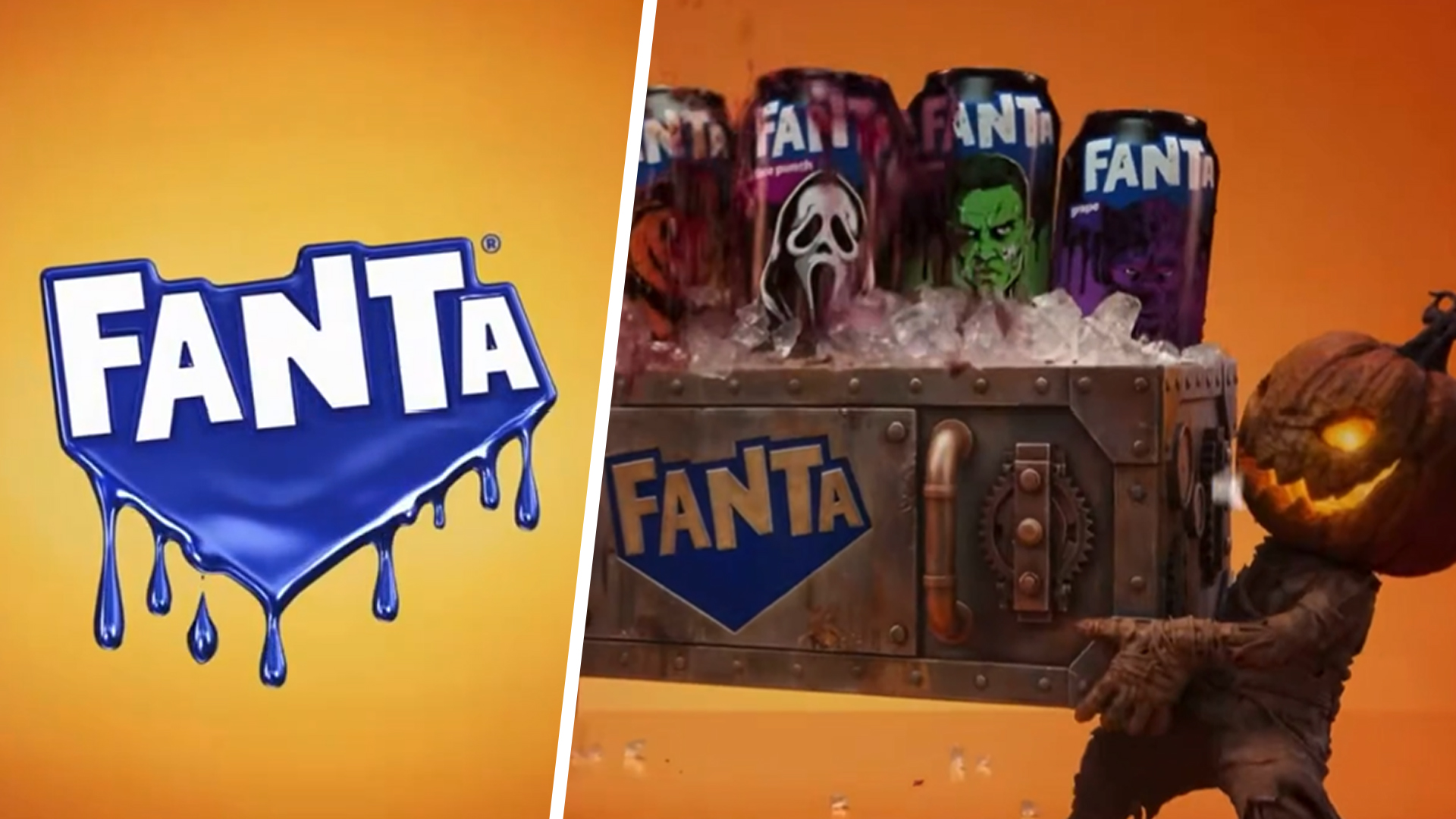
Fanta’s AI-made Halloween campaign exposes the brand risk of synthetic advertising
Creative Bloq reported on October 8 that Fanta's Haunted Universe Halloween campaign uses generative AI visuals developed by AI studio GRAiL. The campaign features a recurring fantasy setting and characters, including a cyborg Frankenstein and a werewolf DJ, with Ghostface from Scream also appearing. The publication described strongly negative reactions in the social-media examples it examined, including criticism of the visual quality and of using AI instead of conventional production. Those comments are not a representative audience survey, and the reporting does not establish that the campaign lacked any required character licences. The confirmed professional issue is the use of generative imagery in a major consumer-brand film campaign and the resulting scrutiny of its creative execution.
Why visual creators should care
For agencies, using AI can reduce some production steps but does not eliminate art direction, intellectual-property checks or reputational consequences if audiences reject the work.
Practical takeaway
Before releasing AI advertising, verify character and brand permissions, inspect continuity and visual errors, disclose material generative contributions to clients, and test the work with the intended audience.
What to watch next
Whether Fanta continues the annual AI-driven creative universe and whether the brand or agency publishes production details and audience results.
Sources