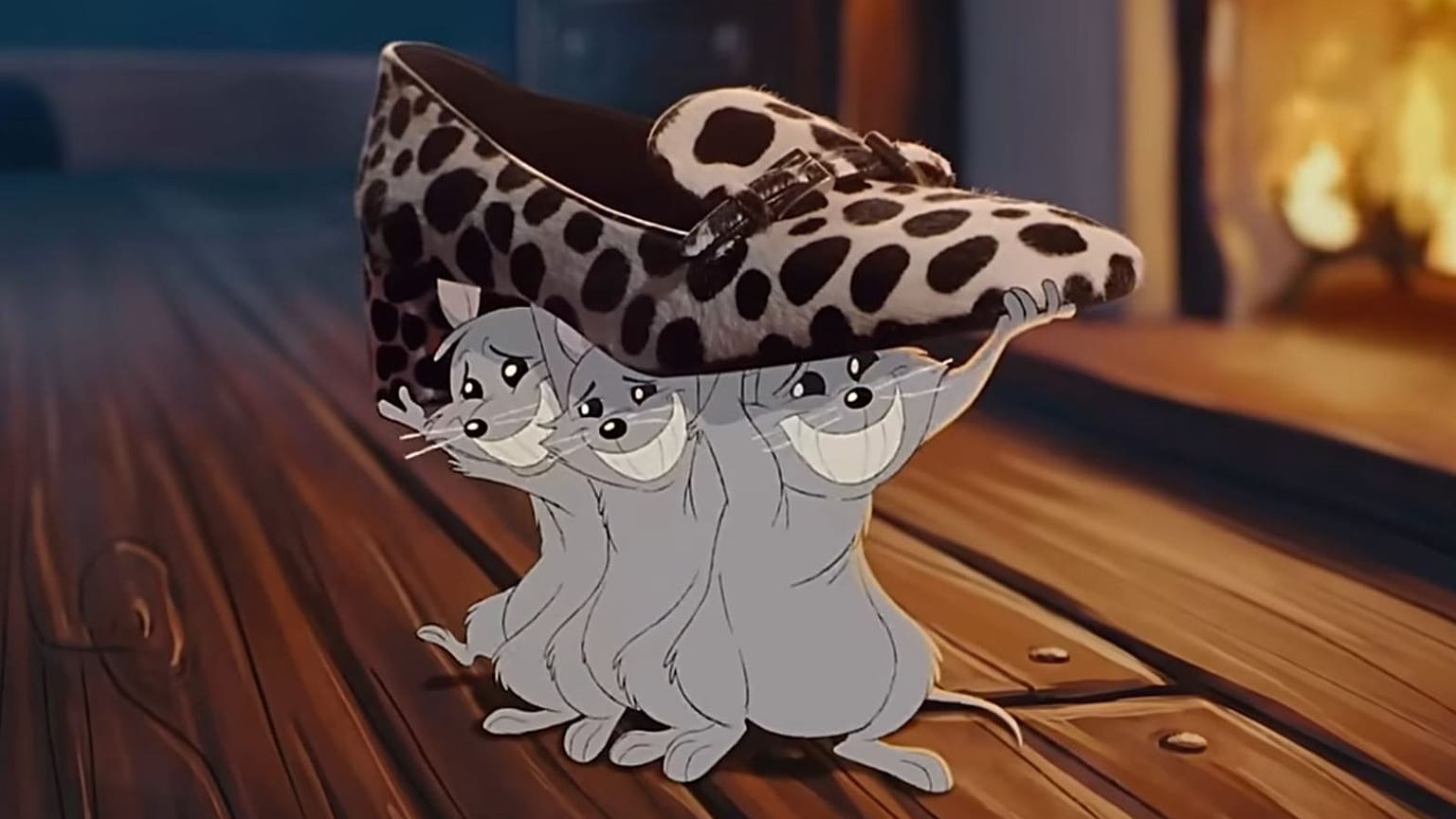
Prada makes hand-drawn animation the selling point of its holiday campaign
Prada’s Drawing Prada: Animated By Hand holiday campaign combines live action and hand-drawn animation, with animator John Pomeroy leading a team of artists. Coverage frames the campaign as an intentional contrast with AI-generated advertising.
Why visual creators should care
A major fashion advertiser is treating human craft and identifiable artistic labour as a positive brand attribute, a useful counterpoint to the assumption that all production must become generative.
Practical takeaway
For pitches, explain what the chosen production method contributes to brand identity and keep credits and production documentation visible.
What to watch next
Whether other brands explicitly commission and market human-made visual production as a differentiator.
Sources
Topaz releases Wonder 4 for AI-assisted image restoration and enhancement
Topaz Labs lists a 3 November Wonder 4 update introducing a new model architecture for one-click upscaling, sharpening and denoising of high-quality and degraded images. The company’s quality claims are its own.
Why visual creators should care
Professional photographers and retouchers face a practical question about when enhancement reconstructs plausible detail rather than recovering documented image information.
Practical takeaway
Retain the untouched original, model/version, settings and final result; review fine detail carefully before editorial, evidentiary or archival use.
What to watch next
Independent comparisons and any disclosure or client requirements for AI-restored detail.
Sources
Astrophotographer documents his composite after viewers accuse it of being AI
New Zealand astrophotographer Brendan Larsen says his widely shared Mount Taranaki satellite-trail composite used 578 eight-second exposures captured in September and roughly 45 hours of compositing. Viewers nevertheless questioned whether it was AI-generated.
Why visual creators should care
The case shows how technically complex, human-made photographs can be misidentified as synthetic, especially when they depict unfamiliar visual phenomena.
Practical takeaway
Keep raw frames, layer history, capture notes and an accurate description of the composite; distinguish real capture from a single-exposure documentary image.
What to watch next
Whether publishers and competitions improve their language around composites, authenticity and provenance.
Sources
Runway describes a multi-model API workflow for AI video production
A Runway developer guide dated 3 November compares AI video APIs and describes accessing multiple models, including Seedance 2.5, Wan 3.0 and MiniMax H3, through Runway Dev. The ranking and product recommendations are vendor claims, not independently validated here.
Why visual creators should care
Studios may increasingly route projects among video models rather than rely on one supplier, making rights, data handling, cost and model-version records more complex.
Practical takeaway
Record which provider and model generated each shot, input-image rights, output terms and the generation costs; review vendor claims against actual contract terms.
What to watch next
Changes in API model availability, contractual allocation of rights and provenance support.
Sources
Brazilian AI Film Awards opens a new showcase for generated audiovisual work
Reporting in October says the first Brazilian edition of AI Film Awards is scheduled for 6–8 November at Itaú Cultural in São Paulo, with 227 submissions from 22 countries across film, animation, music video, advertising and other audiovisual categories. The festival is upcoming, not a newly announced event today.
Why visual creators should care
The range of submissions shows AI filmmaking entering professional creative categories beyond experimental shorts, including advertising and commercial video.
Practical takeaway
For festival submissions, keep a documented production process, source permissions, music rights and any performer releases; check the actual festival rules before submission or distribution.
What to watch next
Published selections, screening terms and whether the festival discloses production workflows and rights standards.
Sources